Serving the greater Triangle area – Raleigh, Cary, Apex, and Wake Forest.
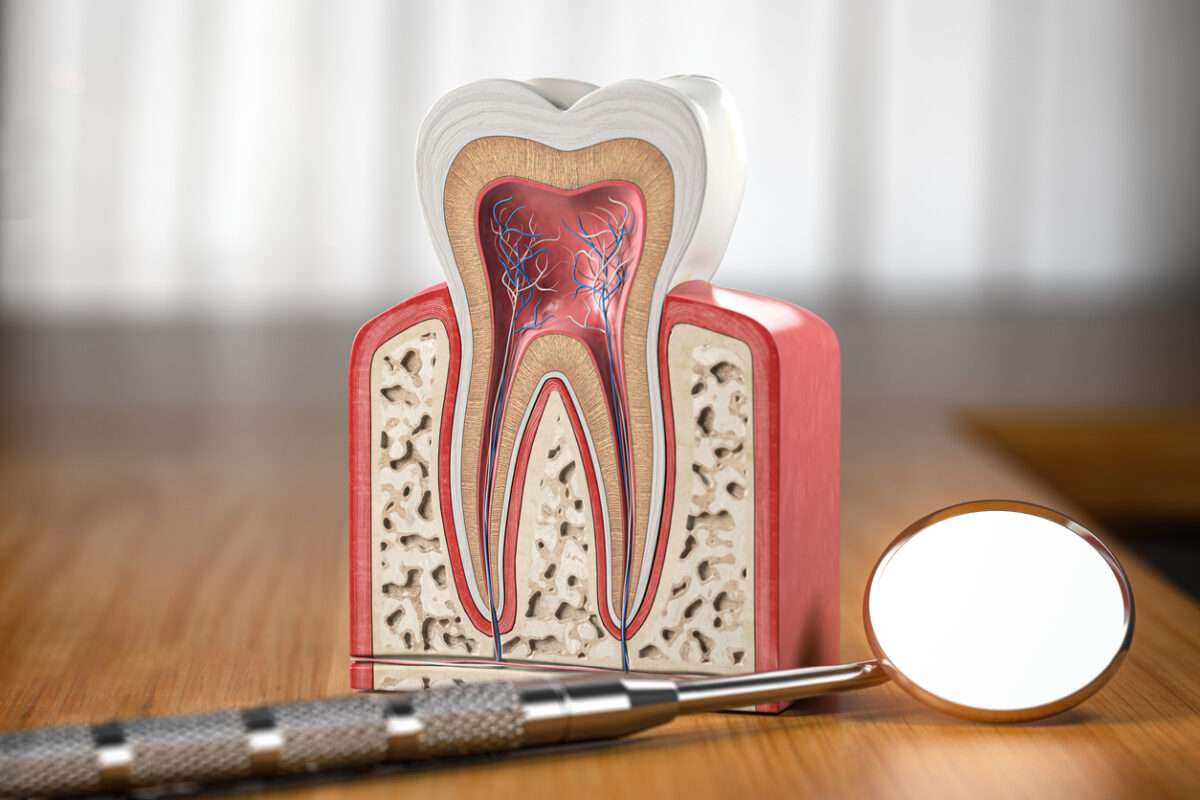
When people hear the term “periodontal disease,” many think of the process of gum recession that is associated with age. However, periodontal disease, a serious bacterial infection that destroys the teeth and the structures surrounding the teeth like gingival tissue and bone, is certainly not limited to adults, as some may believe. In fact, periodontal breakdown can occur in children too, since juveniles are susceptible to periodontal breakdown as well as adults. It may come as a surprise to learn that around 50% of children suffer from a form of periodontal disease! Therefore, it is important to understand both the causes and treatment of juvenile periodontitis.
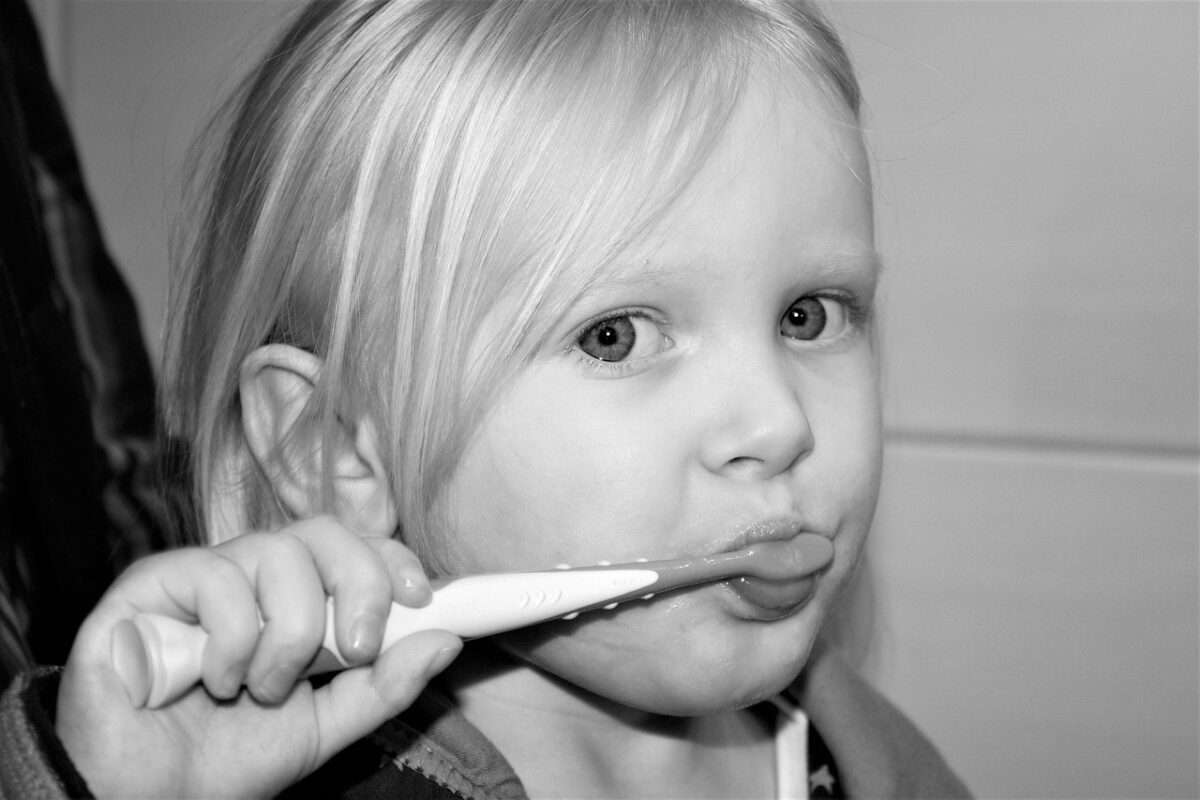
Primarily, periodontitis results from poor oral hygiene in young 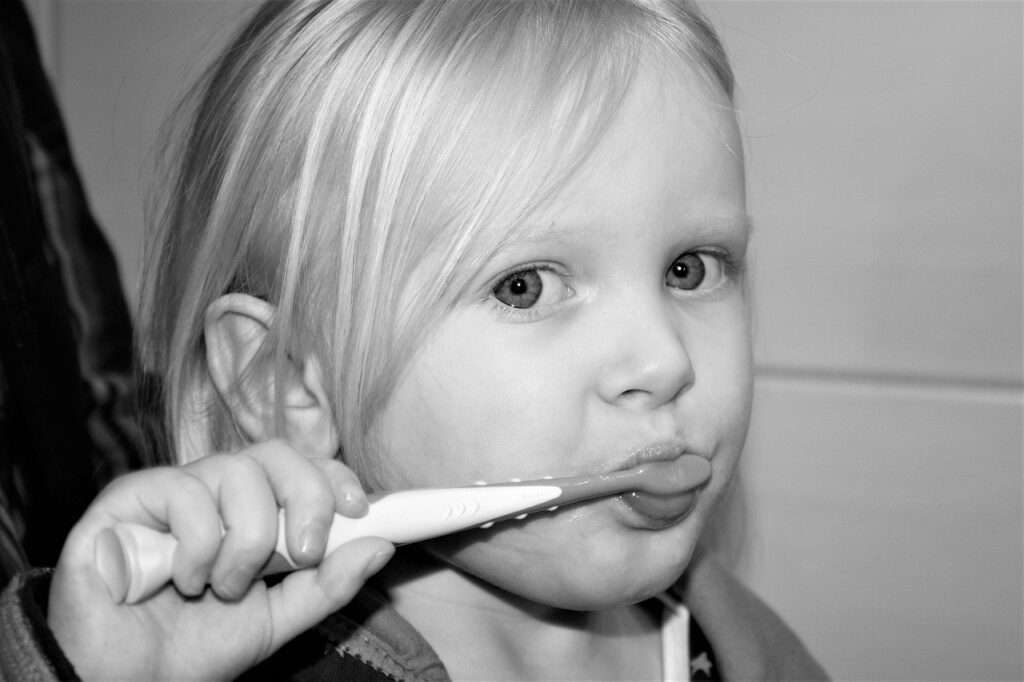 children. Juvenile periodontitis is a kind of periodontitis that invades the tissue particularly at the time of the eruption of permanent teeth, and localized juvenile periodontitis occurs frequently around the molars and incisors. “Periodontal” literally means “around the teeth,” and younger kids often struggle to thoroughly clean the areas around and between their teeth without assistance. Lacking proper teaching and without regular oral checkups, a child may develop gingivitis that goes unnoticed for a significant period of time. Unchecked, the disease will progress into periodontitis, and ultimately the underlying bone surrounding the teeth will be destroyed and will not effectively hold the teeth in place.

 Do the muscles in your cheeks and jaw often feel sore and tender, seemingly for no reason? Are your teeth sensitive when you bite down or consume hot or cold food and drink? Does your jaw pop regularly? Do you have difficulty opening your mouth as wide as you used to? If you answer yes to any of these questions, you are probably suffering from oral myofascial pain syndrome, typically the result of “bruxism,” which is the clenching and grinding of the teeth.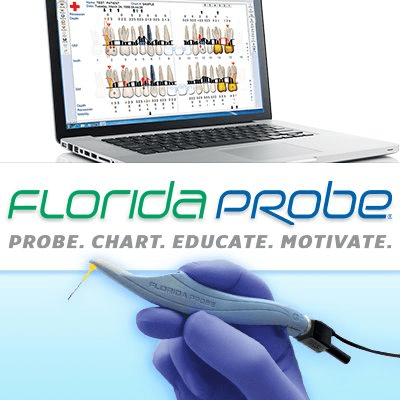
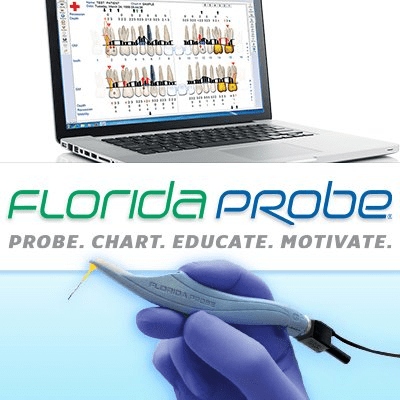 Always eager to bring the best technology and innovation to our practice to better serve our patients, North Raleigh Periodontics is excited to incorporate the Florida Probe System into appointments in our office! You may wonder, “just what is the Florida Probe,” and “how will it benefit me?” Keep reading to find out . . .