Serving the greater Triangle area – Raleigh, Cary, Apex, and Wake Forest.
Part 1 of this article discussed the type of implant and varying reliability of implant manufacturers that individuals should be aware of when deciding to get an implant. Part 2 discussed relevant considerations for patients to consider when deciding who should place the implant itself. This final part of the article analyzes the unique qualifications possessed by periodontists that equip them to both successfully perform implant procedures and oversee the success of the implant in the long-term.
Why are periodontists specially equipped to place implants?
The ideal implant candidate is someone with strong, healthy gum tissue. However, this ideal situation is rare; the very reason that many people require implants in the first place is that they have unhealthy gum tissue that has caused their teeth to loosen and fall out.
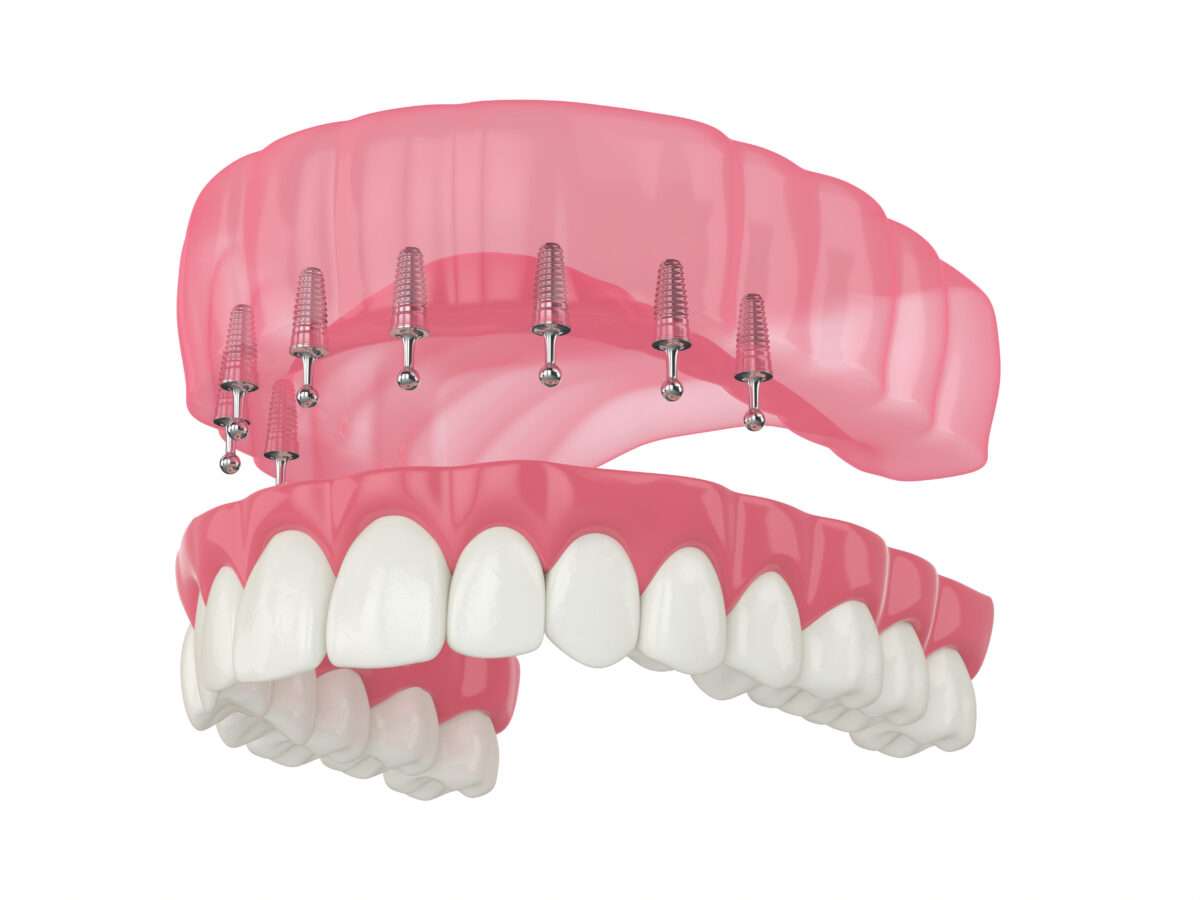
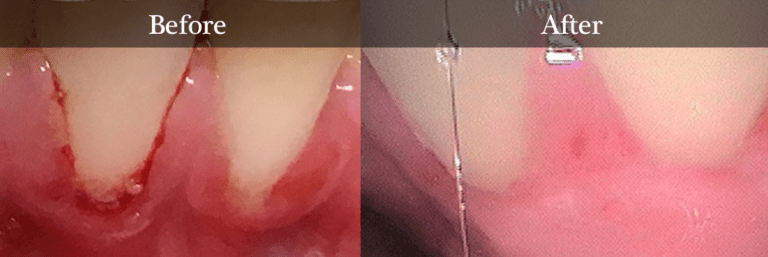
Periodontists are dental experts who specialize in treating diseased gums; they are exceptionally equipped in treating the area where the implant will be placed. Furthermore, dental implants are closely connected with the mouth’s bone and gum tissue, and the health of the bone and tissue weighs heavily in determining the longevity of the implant. Since periodontists specialize in treating precisely these areas, they are ideal members of your dental implant team.

 Macon Singletary and the entire North Raleigh Periodontics staff attended the 163rd North Carolina Dental Society meeting in Myrtle Beach this past weekend. We are excited to bring back and implement the information we learned about improving patient care and understanding complex cases.
 The courses we attended include: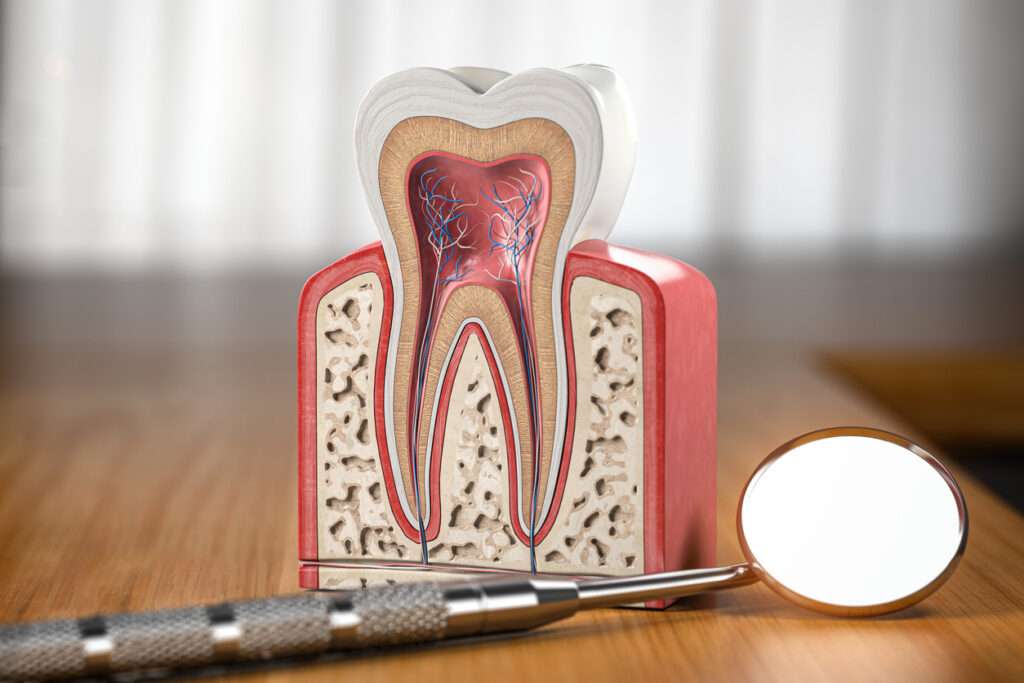

 One Word…Plaque! It’s important to brush, floss, and thoroughly remove bacterial plaque at least once per day. Dr. Singletary, who was recently featured as the WPTF 680 AM guest speaker on “Heart Health with Dr. Franklin Wefald,” also added that you should brush after you eat, even with the scrub technique, to prevent that exponential growth of bacteria for the first 30 minutes. In discussing the connection between periodontal health and cardiac health, Dr. Singletary explained how he works to maintain periodontal stability for his patients, and the treatments available to achieve optimum dental/periodontal health.
 What does it look like? Lichen planus, named for the appearance of white moss or lichen that grows on rocks, most commonly appears as white, raised lacy patches of tissue; red, inflamed, and swollen patches of tissue; or open sores that appear on the tongue or cheeks. Although lichen planus can be painful, sometimes there is little to no discomfort. Furthermore, it is not contagious and not cancerous. About two percent of the population is affected with oral lichen planus, although it is most common in women over 50.

 This past Saturday, Dr. Singletary was privileged to deliver the key-note address to the American Diabetes Association’s Raleigh Group. The topic, “Maintaining Periodontal Health for Individuals with Diabetes” provided an opportunity to discuss special glucose and carbohydrate concerns as it affects periodontal disease and vice-versa. He discussed signs and symptoms of periodontal disease and offered much practical advice to help maintain gum tissue health, which in turn reduces fluctuation in the blood sugar levels due to periodontal inflammation. Dr. Singletary, who states that about 20% of his practice is comprised of patients who have some form of diabetes, concluded his talk with an encouraging note: People with controlled diabetes are able to heal and respond to periodontal therapy as easily as non-diabetics. For more information about this organization, contact us at North Raleigh Periodontics or email