Serving the greater Triangle area – Raleigh, Cary, Apex, and Wake Forest.
Maintaining one’s periodontal health is critical in keeping the teeth and surrounding oral structures stable, preventing recession and gum disease, and avoiding tooth loss. Moreover, a recent study confirms what health care professionals have increasingly suspected: there is a critical link between gum disease and Alzheimers.
Serving the greater Triangle area – Raleigh, Cary, Apex, and Wake Forest.
Important minerals like calcium and phosphate help to keep teeth strong and healthy. Yet as we age, we lose these minerals. Moreover, consumption of candy or other sugary foods, soft drinks, alcohol, and acidic foods speeds up this loss of crucial minerals. In fact, this de-mineralization could cause tooth loss entirely. That is why at North Raleigh Periodontics we recommend remineralization therapy to condition, protect, and rebuild the tooth surface, safeguarding your pearly whites for many years to come.
Serving the greater Triangle area – Raleigh, Cary, Apex, and Wake Forest.
Although it is hard to believe, 2020 is upon us. With the advent of the New Year comes the exciting (or dreaded) prospect of making resolutions that hopefully, will make us healthier, wealthier, and wiser. It would be nice to make a resolution that we wouldn’t break within the first few weeks or days. From us at North Raleigh Periodontics to you, we’d like to suggest a New Year’s Resolution that is simple to make, simpler to keep, and results in long term health benefits.
Here it is, folks: brush and floss your teeth when you get up, after you eat, and before bed.
Dr. Singletary and Staff at North Raleigh Periodontics wish you and your family a Merry Christmas and Happy Holidays! We will be closed for Christmas Eve and Christmas Day. Thank you all for a wonderful year and we look forward to working with you again next year.
Serving the greater Triangle area – Raleigh, Cary, Apex, and Wake Forest.
When people hear the term “periodontal disease,” many think of the process of gum recession that is associated with age. However, periodontal disease, a serious bacterial infection that destroys the teeth and the structures surrounding the teeth like gingival tissue and bone, is certainly not limited to adults, as some may believe. In fact, periodontal breakdown can occur in children too, since juveniles are susceptible to periodontal breakdown as well as adults. It may come as a surprise to learn that around 50% of children suffer from a form of periodontal disease! Therefore, it is important to understand both the causes and treatment of juvenile periodontitis.
Primarily, periodontitis results from poor oral hygiene in young children. Juvenile periodontitis is a kind of periodontitis that invades the tissue particularly at the time of the eruption of permanent teeth, and localized juvenile periodontitis occurs frequently around the molars and incisors. “Periodontal” literally means “around the teeth,” and younger kids often struggle to thoroughly clean the areas around and between their teeth without assistance. Lacking proper teaching and without regular oral checkups, a child may develop gingivitis that goes unnoticed for a significant period of time. Unchecked, the disease will progress into periodontitis, and ultimately the underlying bone surrounding the teeth will be destroyed and will not effectively hold the teeth in place.
Do the muscles in your cheeks and jaw often feel sore and tender, seemingly for no reason? Are your teeth sensitive when you bite down or consume hot or cold food and drink? Does your jaw pop regularly? Do you have difficulty opening your mouth as wide as you used to? If you answer yes to any of these questions, you are probably suffering from oral myofascial pain syndrome, typically the result of “bruxism,” which is the clenching and grinding of the teeth.
Always eager to bring the best technology and innovation to our practice to better serve our patients, North Raleigh Periodontics is excited to incorporate the Florida Probe System into appointments in our office! You may wonder, “just what is the Florida Probe,” and “how will it benefit me?” Keep reading to find out . . .
At North Raleigh Periodontics, we believe that the most beneficial investments we can make are those that help us bring the best treatment available to our patients, including the most cutting-edge technology. With this goal in mind, we are excited to utilize cone beam three-dimensional imaging to help better diagnose and treat our patients.
It is common knowledge that poor dental habits are a major contributor to poor oral health, including bacterial gum tissue diseases like periodontal disease. To put it simply, periodontal disease is the infection of the structures surrounding the teeth caused by oral plaque forming bacteria. Although it is obvious that periodontal disease wreaks havoc on one’s oral health, many patients are unaware of the surprising ripple effect that oral problems like periodontitis can have not only on the mouth, but also on the body. There is a crucial connection between oral health and systemic (whole body) health that, unfortunately, most individuals and even some doctors are unaware. However, research has consistently and increasingly demonstrated the link between periodontal and systemic health. This connection attests to the increased need for collaboration and coordination of care between periodontal and medical professionals.


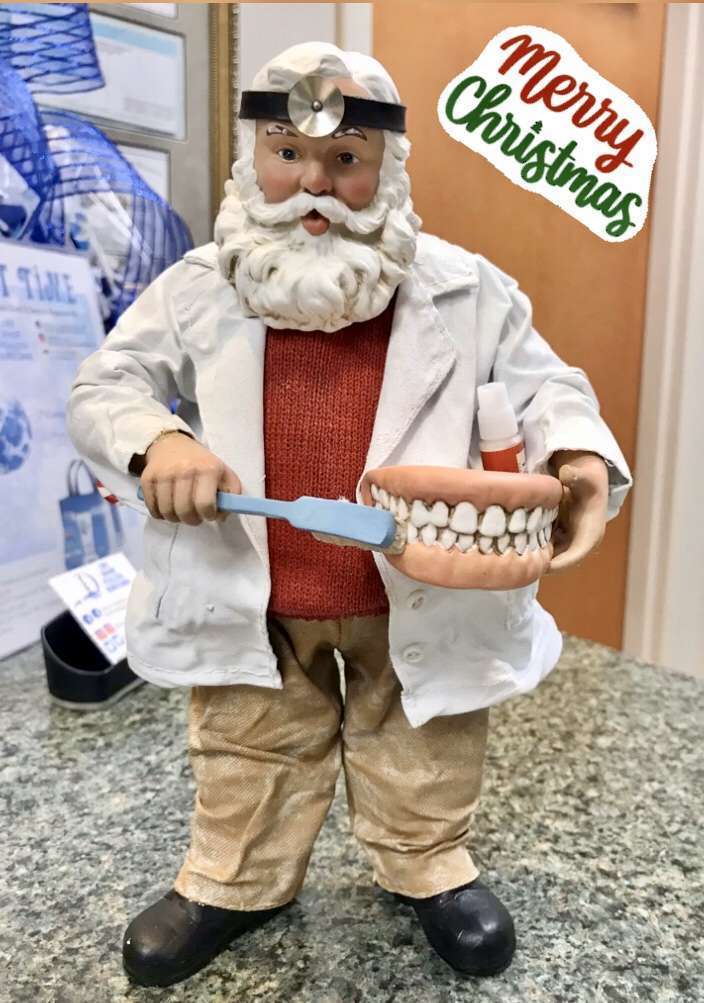
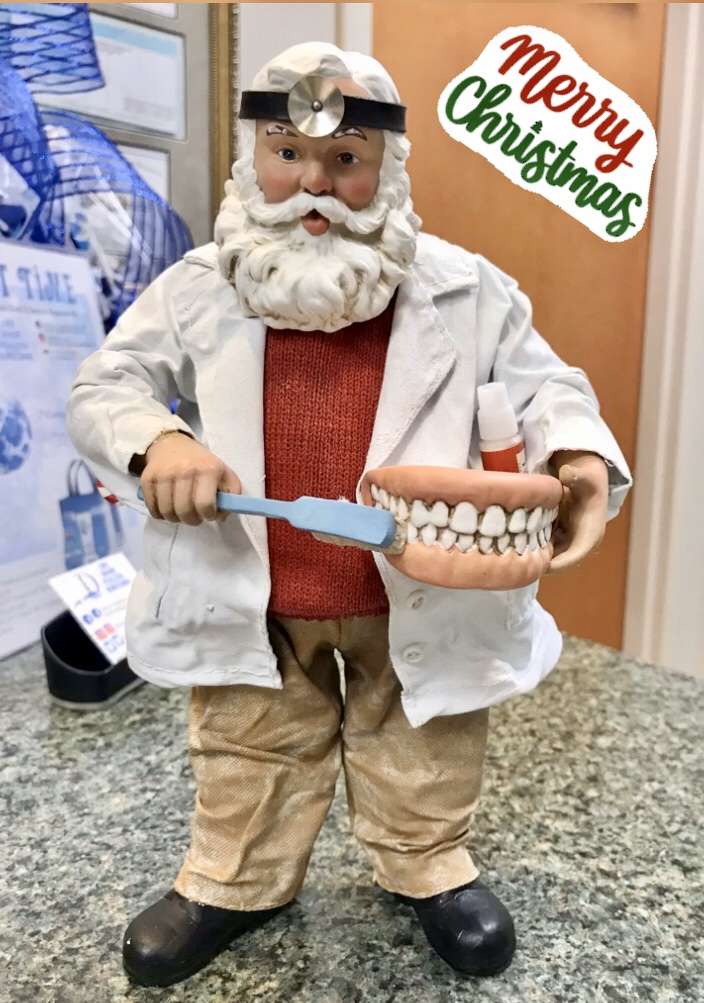 Dr. Singletary and Staff at North Raleigh Periodontics wish you and your family a Merry Christmas and Happy Holidays! We will be closed for Christmas Eve and Christmas Day. Thank you all for a wonderful year and we look forward to working with you again next year.
 children. Juvenile periodontitis is a kind of periodontitis that invades the tissue particularly at the time of the eruption of permanent teeth, and localized juvenile periodontitis occurs frequently around the molars and incisors. “Periodontal” literally means “around the teeth,” and younger kids often struggle to thoroughly clean the areas around and between their teeth without assistance. Lacking proper teaching and without regular oral checkups, a child may develop gingivitis that goes unnoticed for a significant period of time. Unchecked, the disease will progress into periodontitis, and ultimately the underlying bone surrounding the teeth will be destroyed and will not effectively hold the teeth in place.
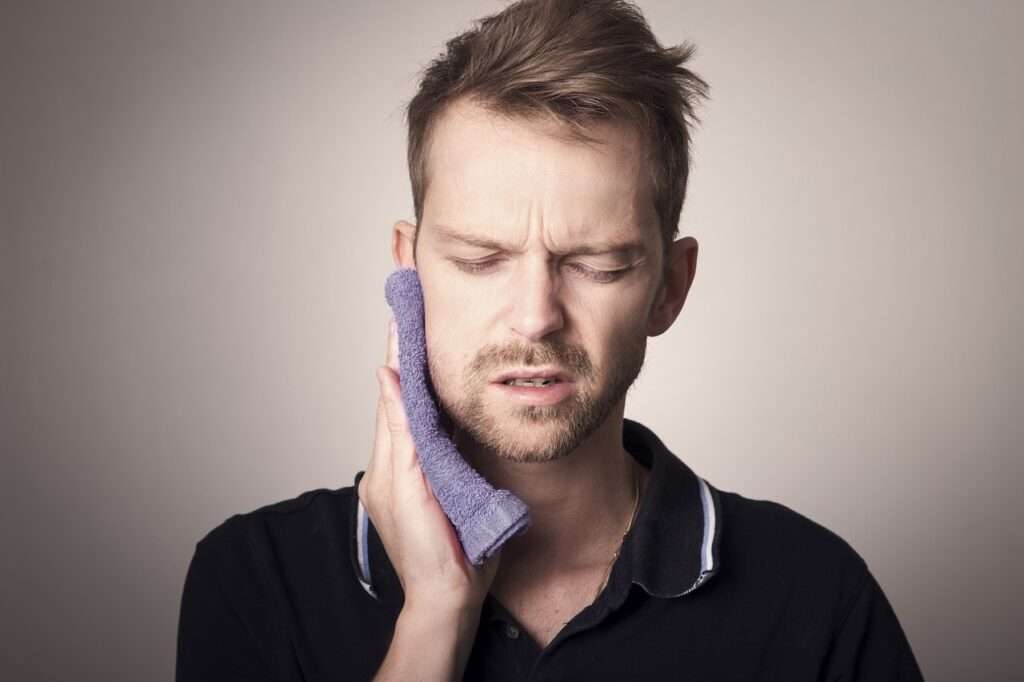 Do the muscles in your cheeks and jaw often feel sore and tender, seemingly for no reason? Are your teeth sensitive when you bite down or consume hot or cold food and drink? Does your jaw pop regularly? Do you have difficulty opening your mouth as wide as you used to? If you answer yes to any of these questions, you are probably suffering from oral myofascial pain syndrome, typically the result of “bruxism,” which is the clenching and grinding of the teeth.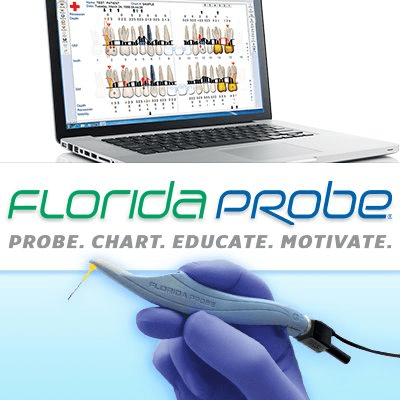
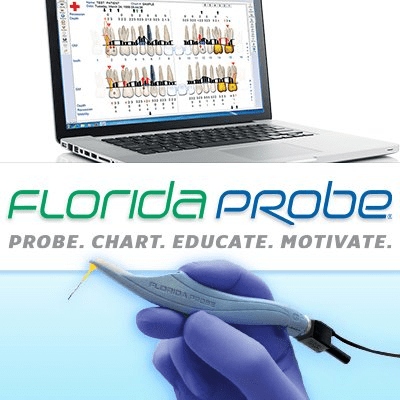 Always eager to bring the best technology and innovation to our practice to better serve our patients, North Raleigh Periodontics is excited to incorporate the Florida Probe System into appointments in our office! You may wonder, “just what is the Florida Probe,” and “how will it benefit me?” Keep reading to find out . . .