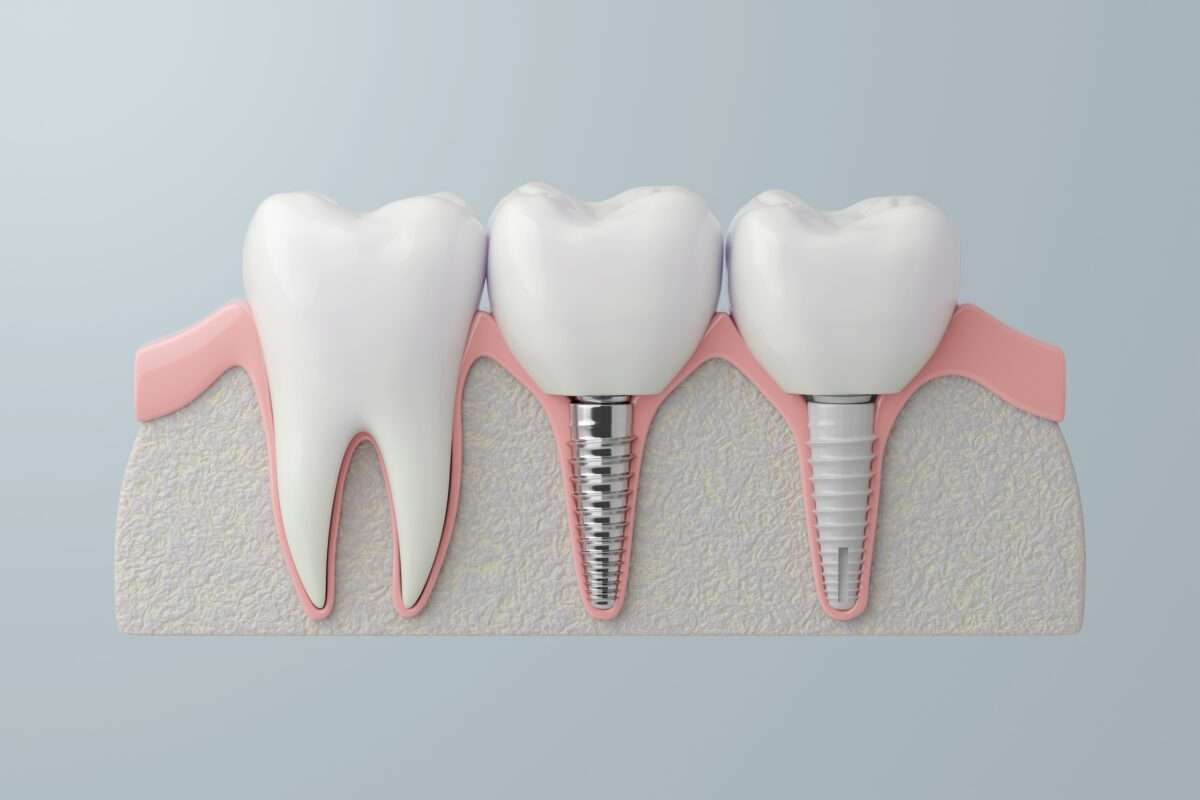
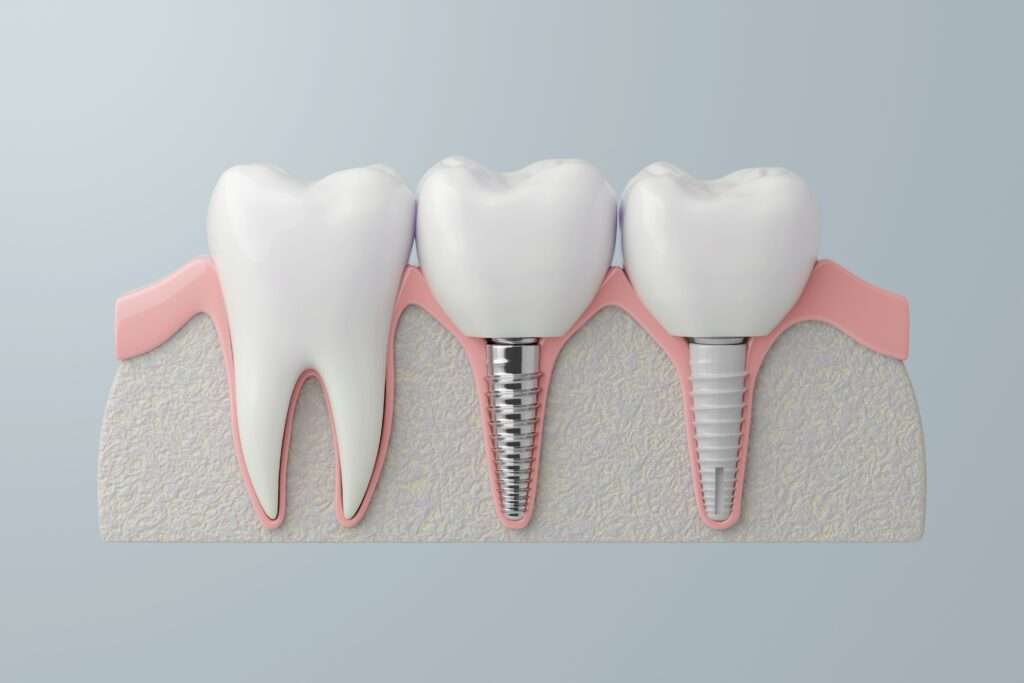
Implants are one of my most frequently performed procedures. The particular method I choose in placing the implant depends on a variety of factors such as the oral health of the patient, the density of the alveolar bone, whether the patient has experienced recession, the thickness of the surrounding gum and bone, etc. We use 3-D x-ray imaging to complete a thorough analysis of the implant site prior to the initial implant placement and to determine which process to utilize. For “staged” implants, after the initial implant placement, I typically allow a period of four months for the implant to integrate and the site to heal. After that time, I perform a surgical procedure called an “uncovering.”