 Dr. Singletary with Dr. Franklin Wefald on the Heart Health Podcast.
Dr. Singletary and Dr. Wefald discuss oral health and it’s impact on your overall health, especially concerning your heart.

Dr. Singletary with Dr. Franklin Wefald on the Heart Health Podcast.
Dr. Singletary and Dr. Wefald discuss oral health and it’s impact on your overall health, especially concerning your heart.
All about the Gum Guru with Dr. Macon Singletary
Serving the greater Triangle area – Raleigh, Cary, Apex, and Wake Forest.
The Gum Guru Podcast with Dr. Macon Singletary will teach you everything you need to know to keep your teeth and gums healthy. Each podcast will focus on a different topic. Check back every third Thursday of the month for the latest episode. If you have any questions for Dr. Singletary, contact him at: [email protected]
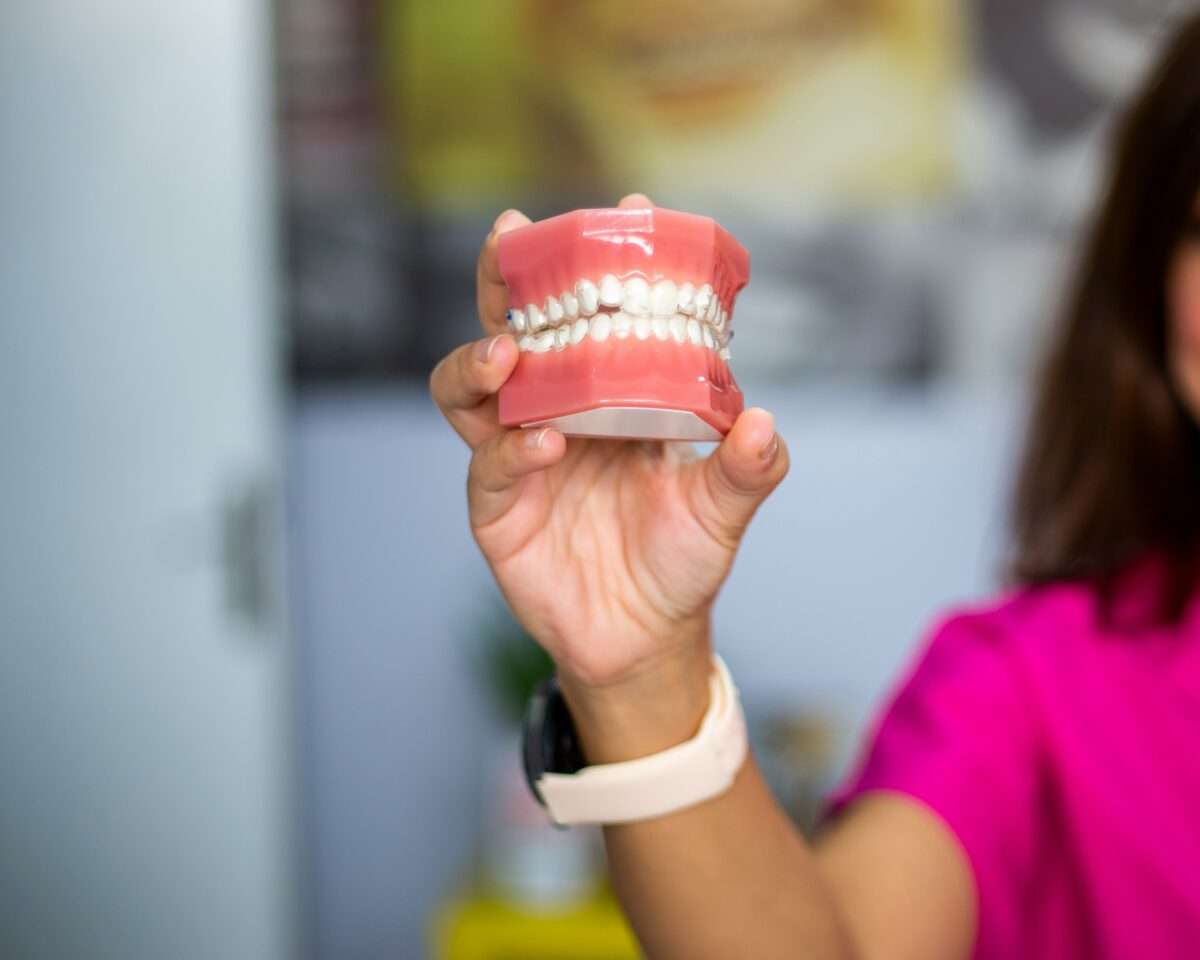
A tooth may require extraction due to trauma, disease, decay, or other reasons. The steps taken the day of and the days after the procedure are crucial in promoting successful healing.
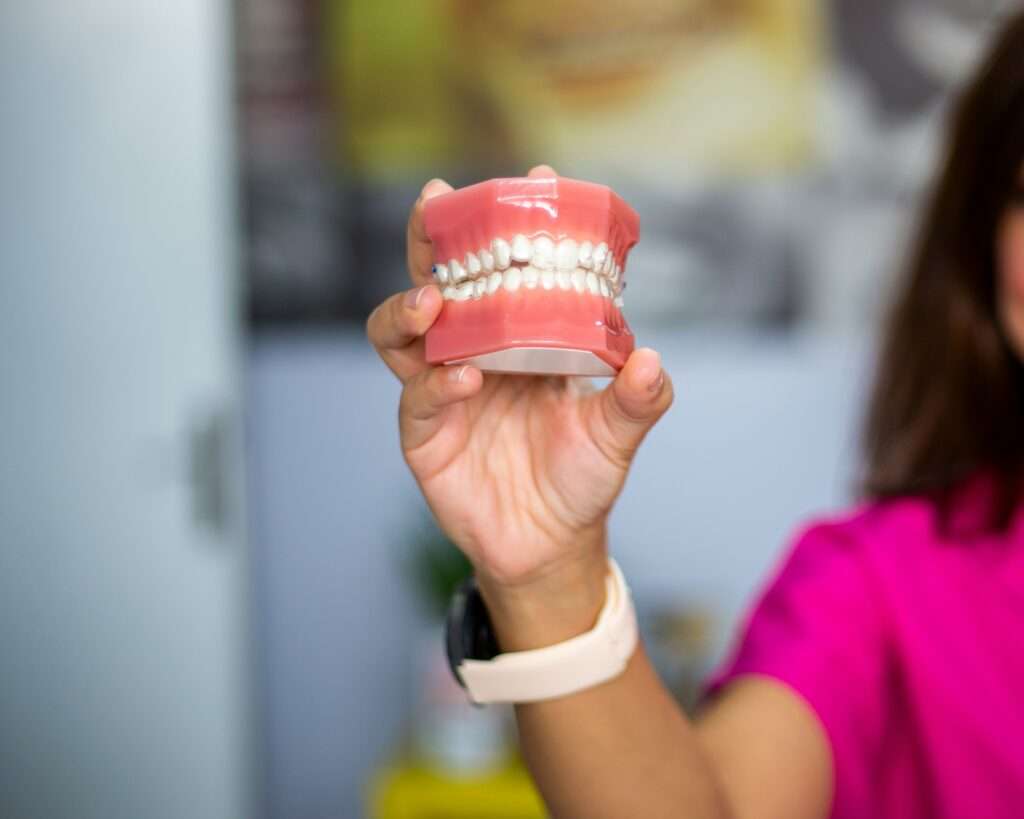
Immediately following the extraction, your oral health professional will place a gauze pack on the extraction site. Leave the gauze pack in place 30 to 45 minutes after leaving the office, and do not chew on the pack. The purpose of the pack is to lessen the bleeding and help the mouth begin forming a blood clot. A blood clot is the oral equivalent of a scab forming over a wound, and it is the body’s way of beginning the healing process. The clot forms over the hole where the tooth existed before extraction to protect against bacterial infection. Comprised of platelets and blood cells, the clot also helps produce chemicals that aid in rebuilding gum tissue. The goal is for the gum tissue to close completely around the extraction site.
Because it is important to not disturb the formation of the blood clot, avoid the temptation to disturb the clot with your tongue. For at least twenty-four hours after the surgery, do not suck, slurp, spit, or perform any other action that places pressure on the clot. Actions to avoid include sucking through a straw, smoking, sucking on candies, or rinsing your mouth with excessive force.
If the clot breaks down, you could develop a dry socket. Dry socket is an extremely painful condition that occurs when the bone and nerves are exposed after the tooth extraction. Moreover, disruption of the blood clot allows food to become wedged into the extraction site. Untreated dry socket prevents proper healing and promotes infection.
For twenty-four hours following the extraction, do not clean the teeth next to the healing site. You should still brush and floss your other teeth, and you should brush your tongue as well to remove the bad breath and taste most patients experience after an extraction. Also, during that twenty-four hour period, avoid alcohol (including mouthwashes with alcohol), drink lots of liquids, and do not eat solid foods.
The day after the procedure, you may gently begin cleaning the teeth next to the healing tooth socket. You should use a warm salt water rinse to promote the healing process. To make a salt water rinse, mix one cup of warm water and a teaspoon of salt till the salt dissolves, then gently swish the rinse around the mouth for about a minute. You can also begin eating solid foods, but try to chew food on the side opposite the extraction site for the first few days.
Swelling and some pain are normal after an extraction. Apply a cold compress to your face to reduce swelling and discomfort. Also, do not be alarmed if the site bleeds somewhat. But if heavy bleeding persists for several hours non-stop, call your dentist. Keep in mind, however, that a little blood mixed with saliva can appear more serious than it actually is.
Finally, limit strenuous exercise for twenty-four hours after the extraction. Physical activities such as running or weight lifting stimulates an increase of blood flow, which may prompt the extraction site to bleed more than usual. Heavy physical exercise may also dislodge the blood clot.
By following these steps, you are on your way to a healthy, properly healed extraction site. Have questions? Give us a call at (919) 518-8222. Serving the greater Triangle area – Raleigh, Cary, Apex, and Wake Forest.
For more information on this topic, listen to the Gum Guru Podcast by clicking the link below:

Your first visit to the periodontist may sound scary. You may not know what to expect, and perhaps you are worried about any issues your periodontist may uncover. The first step in allaying those fears is knowing exactly what to expect when you visit North Raleigh Periodontics for a comprehensive oral evaluation.
 First, we will review your dental history with you to make sure we have a thorough understanding of your oral health and any problems or concerns you or your dentist may have. Don’t worry if you cannot remember everything; we will remain in close contact with your dentist as well.
Also, we will discuss your oral habits with you. This includes whether you have a history of clenching or grinding, which is a substantial contributor to jaw pain. We will also give you a comprehensive tutorial on the proper technique for brushing, flossing, and other at-home oral health measures.
Next, we will evaluate your periodontium (the tissue surrounding the teeth). We assess the color, contour, texture, tone, movement, and any defects in the periodontium. Also, we will measure periodontal pockets (the space between the teeth and gums) by gently measuring your probing depths.
Pockets that are three millimeters deep or more indicate the onset of periodontal disease; by measuring the pockets, we can analyze and address underlying periodontal issues head-on. Pocket depths are an important indicator of gum disease, especially since gum disease at its early stages is usually painless and may go undetected until it becomes more serious. If you experience root sensitivity or have inflamed gums, this helps us determine the severity of periodontal disease.
We will also measure your occlusion (your bite). Malocclusion (a bad bite) may threaten your overall oral health by damaging your teeth and gums, and malocclusion manifests as an override, underbite, or crossbite. Assessing occlusion gives us a fuller understanding of the contributors to periodontal issues you may be experiencing.
Moreover, we will review radiographic (x-ray) findings with you. Radiography helps reveal osseous (bone) loss, density of your jaw bone, and any periapical recession. The periapical is the tissue at the apex of the tooth root. Unfortunately, gingival recession at the periapical is common, but catching it early on helps us chart the best course of treatment for you.
After obtaining this full picture of your oral health, we will be able to formulate a course of action for any gingivitis, periodontitis, or other complications that we uncover. Then we will discuss treatment options with you and answer any questions you may have.
For patients, one of the most intimidating parts of a periodontal exam is facing the reality of oral health complications. However, it is much better to tackle these issues and begin a treatment plan tailored to you than to simply do nothing and hope any complications will disappear (they won’t). We look forward to working with you and your dentist to help restore your periodontal health– and your peace of mind!
Have questions? Give us a call at (919) 518-8222. You can also learn a little more about Dr. Singletary here. Serving the greater Triangle area – Raleigh, Cary, Apex, Clayton, Rolesville, and Wake Forest.
For more information on this topic, listen to the Gum Guru Podcast by clicking the link below:
All about the Gum Guru with Dr. Macon Singletary
Serving the greater Triangle area – Raleigh, Cary, Apex, and Wake Forest.
The Gum Guru Podcast with Dr. Macon Singletary will teach you everything you need to know to keep your teeth and gums healthy. Each podcast will focus on a different topic. Check back every third Thursday of the month for the latest episode. If you have any questions for Dr. Singletary, contact him at: [email protected]
All about the Gum Guru with Dr. Macon Singletary
Serving the greater Triangle area – Raleigh, Cary, Apex, and Wake Forest.
The Gum Guru Podcast with Dr. Macon Singletary will teach you everything you need to know to keep your teeth and gums healthy. Each podcast will focus on a different topic. Check back every third Thursday of the month for the latest episode. If you have any questions for Dr. Singletary, contact him at: [email protected]
Listen to This Month’s Podcast: “3 Ways to Treat Dental Anxiety” Why going to the dentist isn’t as scary as you think. New technology and good communication along with classic pain-reducing mechanisms can make your next visit to the dentist fear-free.
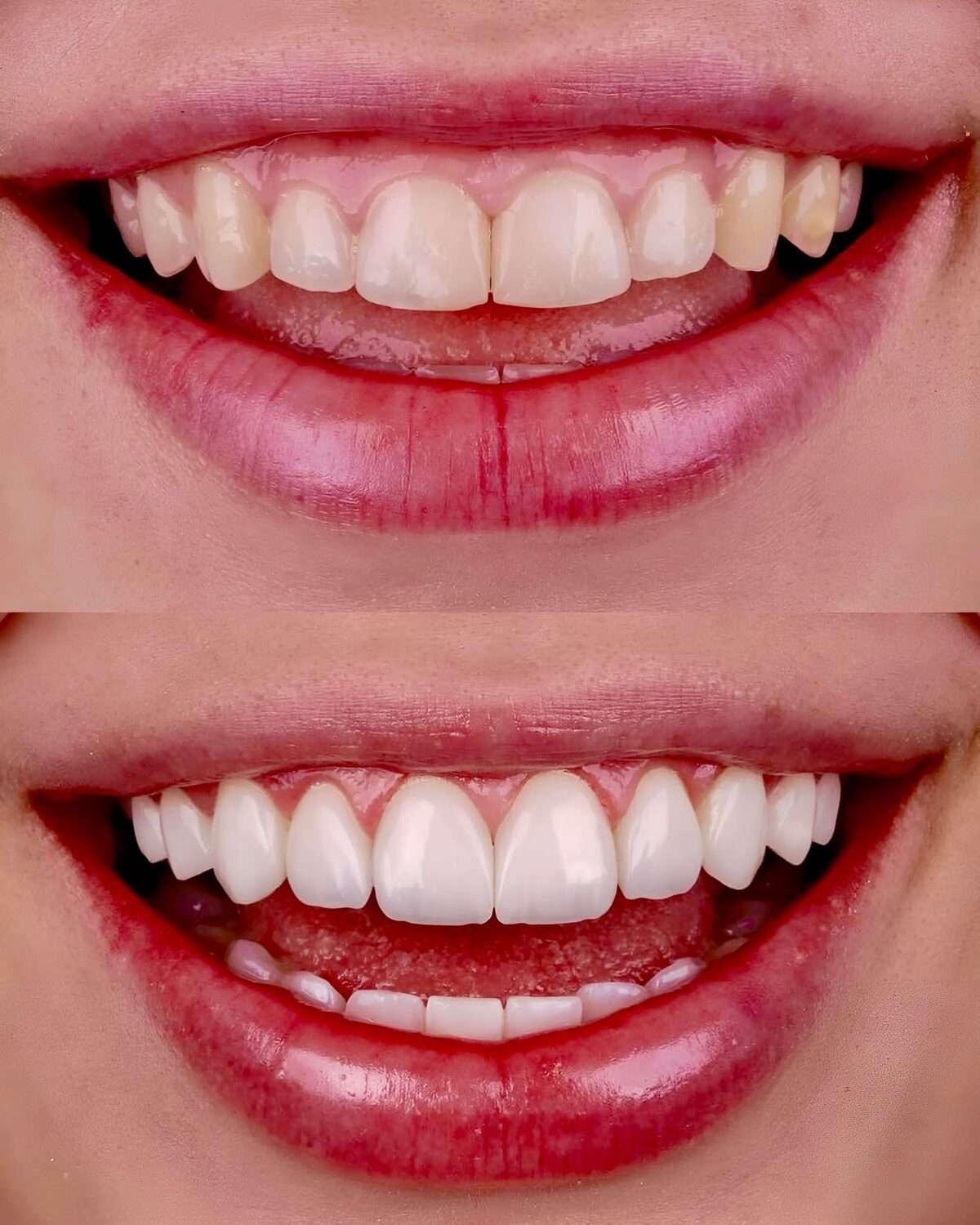
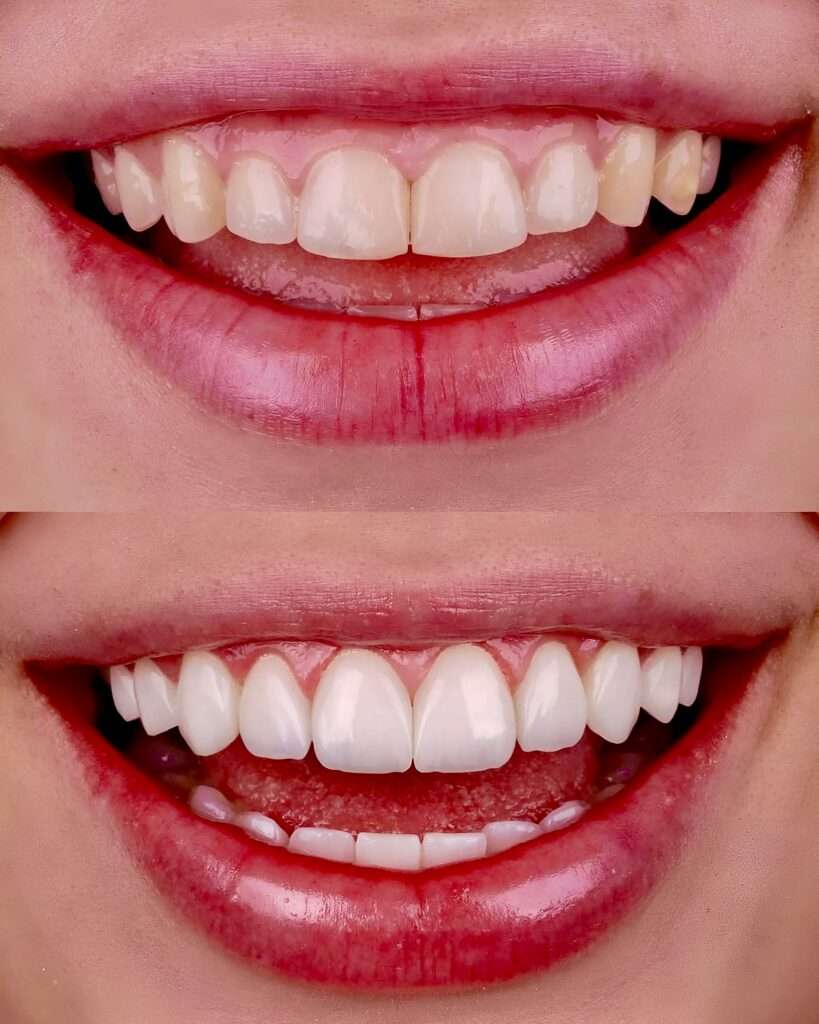
Some individuals are born with excessive gum tissue covering an abnormally large portion of their teeth. When these people smile, usually much of their gum tissue is revealed and their teeth appear unusually small in comparison. This condition is known colloquially as a “gummy smile.” Fortunately, for people concerned with the appearance of this condition, a relatively simple procedure called an “esthetic crown lengthening” can remedy this problem.
To improve appearance, more tooth material must be uncovered than is currently available below the gum line. We can use an esthetic crown lengthening to achieve this outcome. This procedure is a gentle cosmetic process that contours the gum line and removes excessive gingiva (gum tissue).
An esthetic crown lengthening involves accessing the area below the gum line and increasing the amount of healthy tooth material exposed. Before beginning the procedure, the area is numbed. Then we remove excess tissue from the tooth surface and sculpt the gum line. This procedure lengthens the appearance of the tooth, making the teeth appear larger.
Esthetic crown lengthening can be performed on a single tooth or on an entire gum line. Additionally, we can utilize laser technology as opposed to a traditional scalpel. Patients who choose to receive a crown lengthening using a laser experience reduced bleeding, heightened comfort, less pain and swelling, and shortened healing time. Additionally, the procedure is performed in one sitting with little to no downtime.
In conclusion, an esthetic crown lengthening is an effective remedy for the appearance of small teeth, excessive gingiva, and an uneven gum line. Are you unhappy with your smile? Give us a call at (919) 518-8222. We’d love to discuss your options with you. Serving the greater Triangle area – Raleigh, Cary, Apex, and Wake Forest.
For more information on this topic, listen to the Gum Guru Podcast by clicking the link below:

Wishing you and your loved ones a Merry Christmas and Happy New Year! Our offices will be closed from December 26th thru January 2nd so our team can enjoy the holidays with family and friends. We will reopen on January 3rd.

All about the Gum Guru with Dr. Macon Singletary
Serving the greater Triangle area – Raleigh, Cary, Apex, and Wake Forest.
The Gum Guru Podcast with Dr. Macon Singletary will teach you everything you need to know to keep your teeth and gums healthy. Each podcast will focus on a different topic. Check back every third Thursday of the month for the latest episode. If you have any questions for Dr. Singletary, contact him at: [email protected]

Wishing everyone a safe and happy Thanksgiving. In observance of the holiday, our offices will be closed on Wednesday, Thursday, and Friday.