

Serving the greater Triangle area – Raleigh, Cary, Apex, Clayton, Rolesville, and Wake Forest.
You may have brushed or flossed your teeth and looked down to see pink or red in the sink and wondered why? What causes bleeding gums, and is it really a big deal? Brushing too hard can cause irritation and subsequent bleeding; however, bacteria and plaque are often the culprits. Bleeding, a common sign of periodontal (gum) disease, eventually leads to bone loss and diseased gums, undermining the foundation of healthy teeth. Although healthy gums don’t bleed, a little pink in the sink doesn’t necessarily mean you are in imminent danger of tooth mobility or advanced problems. However, you should pay attention to this tell-tale sign and know your options for tackling the issue.
Eradicating bleeding can be as simple as seeing your dentist for regular cleanings, coupled with a good oral care routine at home.
When calculus (dead plaque) is detected below the gum line, scaling and root planing with anesthesia may be recommended. This treatment removes harmful debris, stops bone loss and facilitates healing.
Conservative alternative therapies are available at North Raleigh Periodontics, including noninvasive hydrogen peroxide delivery systems for eradicating harmful subgingival bacteria, or biofilm, that normal brushing cannot reach.
Targeted antibiotic therapy is another alternative, and is indicated for some types of bacteria that are resistant to scaling and root planing.
Occasionally, laser-assisted periodontal surgery may be necessary to effectively treat inflammatory debris and repair damaged bone. By creating new attachments, our advanced technology means that procedures are more comfortable with less bleeding and require little to no downtime.
While a little blood in your sink may be remedied by regular professional cleanings and improved oral hygiene routines, it’s comforting to know that other excellent options now exist to give you a healthy, pink-free smile.
If you have questions or comments, please give us a call at 919-518-8222.

For more information on this topic, listen to the Gum Guru Podcast by clicking the link below:



 Fifth, the surgical dental laboratory. At North Raleigh Periodontics we use Little Creek Implant and Sleep as our trusted implant laboratory partner. They use state of the art implant planning software combined with incredibly accurate 3D models and diagnostic CBCTs to produce tools that increase accuracy, reduce surgical time, and ultimately help the surgeon place implants more effectively and precisely.
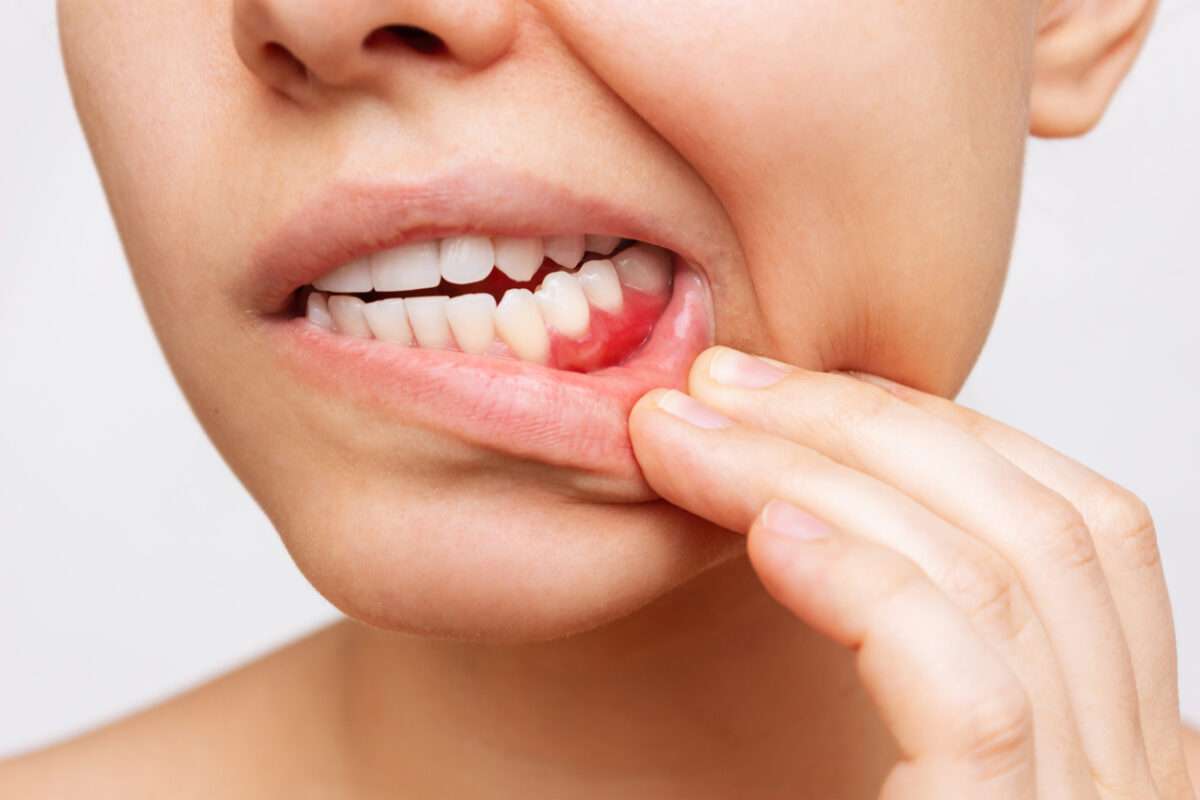
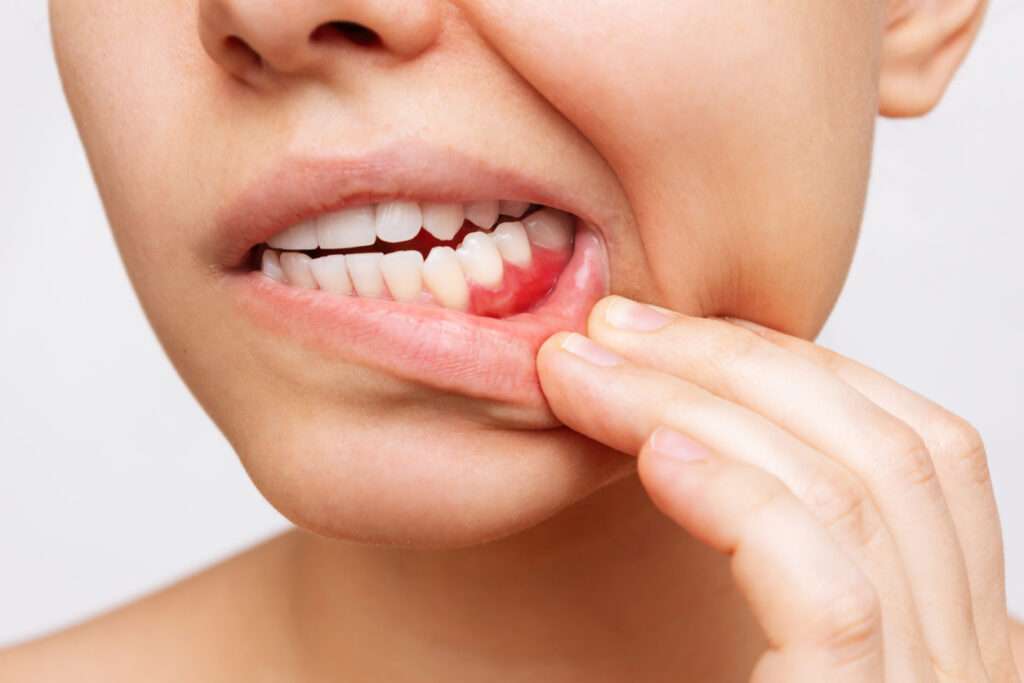
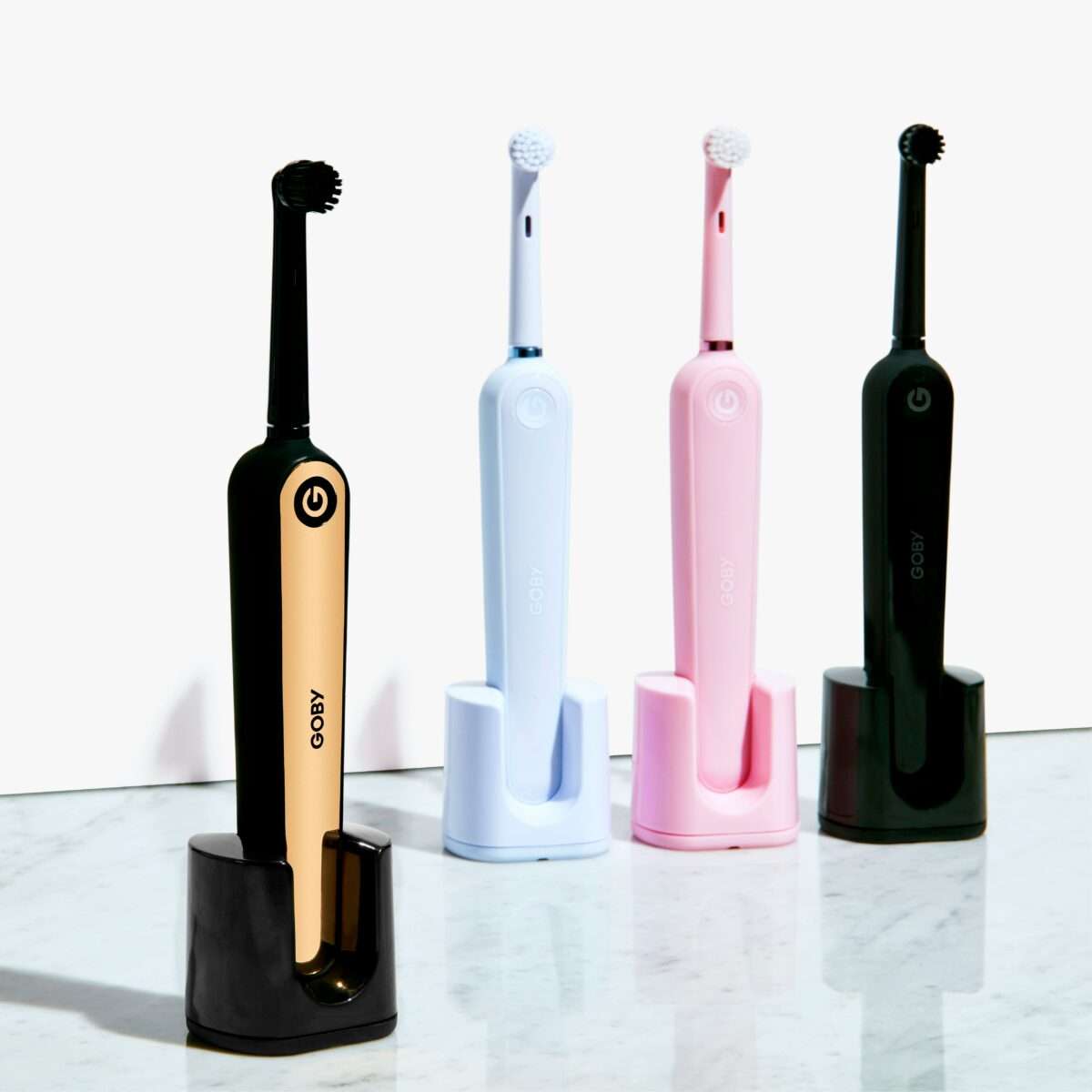
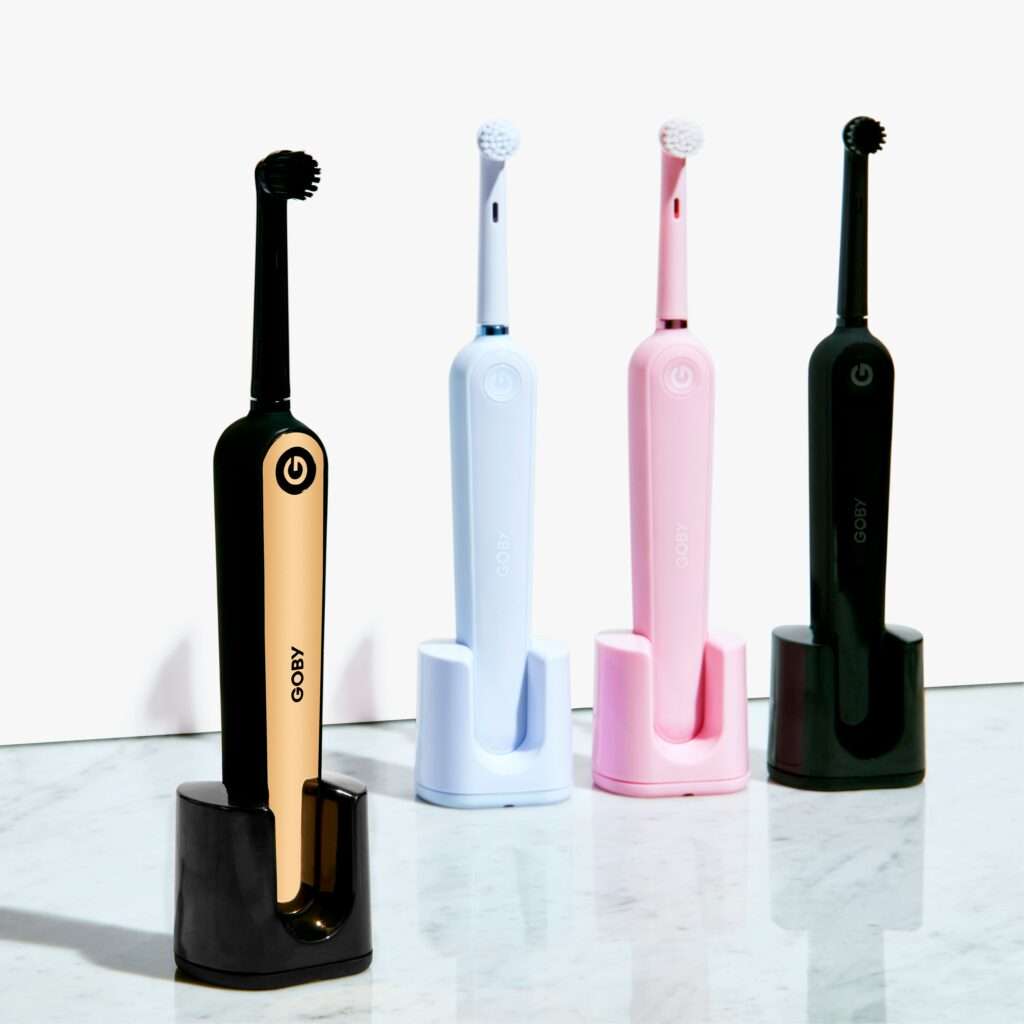 Tooth decay and gum disease usually stem from lack of proper cleaning at home. After eating or drinking sugary substances and while you sleep, your teeth become coated in a sticky layer of bacteria called plaque. The bacteria in plaque creates acids that attack teeth enamel, eventually causing decay. Plaque also irritates the gum tissue, which causes gingivitis (the swelling or bleeding of the gums). Left untreated, gingivitis develops into