Serving the greater Triangle area – Raleigh, Cary, Apex, and Wake Forest.
The Gum Guru Podcast with Dr. Macon Singletary will teach you everything you need to know to keep your teeth and gums healthy. Each podcast will focus on a different topic. Check back every third Thursday of the month for the latest episode. If you have any questions for Dr. Singletary, contact him at: [email protected]
Serving the greater Triangle area – Raleigh, Cary, Apex, and Wake Forest.
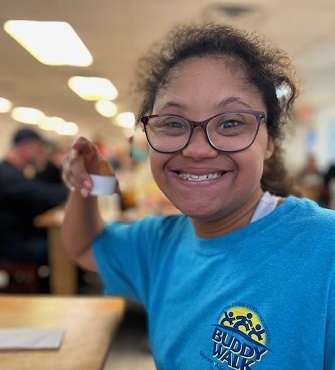
North Raleigh Periodontics is proud to announce its sponsorship of the Triangle Buddy Walk, an event organized by the North Carolina Down Syndrome Alliance (NCDSA). This partnership reflects our commitment to supporting, advocating for, and celebrating individuals with Down syndrome in our community. In this blog post, we’ll delve into the significance of the Triangle Buddy Walk, the valuable work of the NCDSA, and our role as sponsors in promoting awareness and inclusion.
The Triangle Buddy Walk is an annual event that brings together individuals with Down syndrome, their families, friends, and supporters in the Triangle area. It’s a day filled with fun, awareness, and celebration. The event typically features a walk, live entertainment, food vendors, and various activities for all ages. Importantly, it serves as a platform for raising funds and awareness for the NCDSA and its programs.
The North Carolina Down Syndrome Alliance
The NCDSA is a non-profit organization dedicated to enhancing the lives of individuals with Down syndrome. They offer support, resources, and advocacy to individuals with Down syndrome, their families, and the broader community. Some of the NCDSA’s key initiatives include:
Support and Education: The NCDSA provides educational resources and support for parents, caregivers, educators, and healthcare professionals to help them better understand and support individuals with Down syndrome.
Advocacy: The organization advocates for policies and practices that promote the inclusion and well-being of individuals with Down syndrome in North Carolina. This includes supporting inclusive education, healthcare, and employment opportunities.
Community Building: The NCDSA fosters a sense of community by organizing events like the Triangle Buddy Walk and connecting individuals and families facing similar challenges.
Why We Support the Triangle Buddy Walk
At North Raleigh Periodontics, we believe in the importance of inclusivity and supporting all members of our community. People with Down syndrome are a vibrant part of our society, and they deserve the same opportunities and respect as anyone else. By sponsoring the Triangle Buddy Walk, we aim to:
Raise Awareness: Events like the Triangle Buddy Walk raise awareness about Down syndrome, helping to dispel myths and misconceptions. Increased awareness leads to greater acceptance and inclusion.
Offer Support: We want to be part of the network that provides support to individuals with Down syndrome and their families. Our sponsorship helps fund programs that offer assistance and resources.
Celebrate Diversity: Celebrating diversity is a core value for us. We see the Triangle Buddy Walk as an opportunity to celebrate the unique qualities and achievements of individuals with Down syndrome.
Promote Inclusion: We hope that our support encourages others to be more inclusive and accepting of individuals with Down syndrome in their schools, communities and workplaces.
How You Can Get Involved
If you’re interested in supporting the Triangle Buddy Walk and the NCDSA, there are several ways to get involved:
Participate: Join the event, walk alongside individuals with Down syndrome, and enjoy the festivities.
Volunteer: Help with event organization or assist the NCDSA in their ongoing efforts.
Donate: Contributions help fund important programs and resources that benefit the Down syndrome community.
Spread the Word: Share your experience and the importance of Down syndrome awareness on social media or with friends and family.
Conclusion
North Raleigh Periodontics is proud to sponsor the Triangle Buddy Walk, a wonderful event that supports, advocates for, and celebrates individuals with Down syndrome. We believe in the power of awareness, support, and inclusion to create a more inclusive and accepting society. By partnering with the NCDSA, we hope to make a positive impact and inspire others to do the same. Together, we can create a more inclusive and compassionate world for everyone.
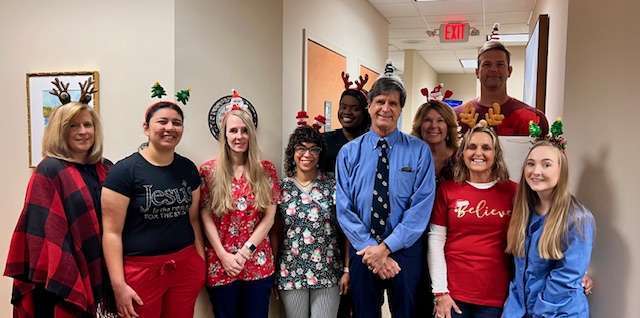
Warmest greetings from Dr. Singletary and the entire team at North Raleigh Periodontics and Implant Center! We extend our deepest thanks to you, our valued patients and friends, for entrusting us with your care throughout the year. In the spirit of the season, let us focus on the blessings that surround us and the joy that comes from sharing them with others. Our office will be closed from December 25th to January 1st, but should you need assistance, Dr. Singletary can be reached at the office number 919-518-8222 or on his cell at 919-795-0228. Wishing you a Christmas filled with warmth, love, and moments that create lasting memories. Merry Christmas!
Serving the greater Triangle area – Raleigh, Cary, Apex, Clayton, Rolesville, and Wake Forest.
The Gum Guru Podcast with Dr. Macon Singletary will teach you everything you need to know to keep your teeth and gums healthy. Each podcast will focus on a different topic. Check back every third Thursday of the month for the latest episode. If you have any questions for Dr. Singletary, contact him at: [email protected]
As we gather around the table with our loved ones to celebrate Thanksgiving, I want to take a moment to express my deepest gratitude to each and every one of you. At North Raleigh Periodontics and Implant Center, we are truly thankful for the privilege of serving you and being a part of your oral health journey.
This season reminds us to reflect on the blessings in our lives, and I am grateful for the trust you have placed in our practice. Your commitment to your oral health is appreciated, and it is a joy to see the positive impact it has on your overall well-being.
As we come together to give thanks, may your hearts be filled with warmth and happiness. Wishing you a Thanksgiving filled with love, laughter, and cherished moments with family and friends.
With gratitude, Dr. Macon Singletary North Raleigh Periodontics and Implant Center
Serving the greater Triangle area – Raleigh, Cary, Apex, Clayton, Rolesville, and Wake Forest.
The Gum Guru Podcast with Dr. Macon Singletary will teach you everything you need to know to keep your teeth and gums healthy. Each podcast will focus on a different topic. Check back every third Thursday of the month for the latest episode. If you have any questions for Dr. Singletary, contact him at: [email protected]
Serving the greater Triangle area – Raleigh, Cary, Apex, and Wake Forest.
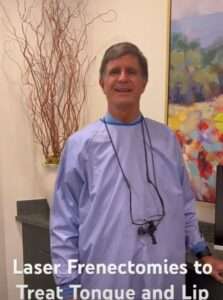
When it comes to oral health, addressing issues such as tongue ties and lip ties is crucial for individuals of all ages. These conditions, often overlooked, can lead to a myriad of problems, from latching and feeding difficulties in infants to speech impediments and oral health issues in teens and adults. Fortunately, advancements in dental technology have introduced a game-changing solution – laser frenectomies. North Raleigh Periodontics is at the forefront of providing this innovative treatment, offering comprehensive care for patients across the age spectrum.
Infants and Latching Issues
For newborns and infants, proper latching and feeding are essential for their growth and development. Tongue ties and lip ties can disrupt this process, making breastfeeding a challenging and painful experience for both mother and child. Laser frenectomies offer a minimally invasive solution to release these ties, allowing infants to latch more effectively and improve their feeding experience. At North Raleigh Periodontics, our experienced team ensures a safe and comfortable procedure for your little one, providing relief and enhancing their overall well-being.
Teens and Adults: Speech and More
Tongue ties and lip ties are not limited to infancy; they can persist into adolescence and adulthood. In these stages, these conditions can lead to speech impediments, spacing issues, and even recession of the gums. Laser frenectomies offer a precise and quick solution to release these ties, allowing for improved speech clarity and pronunciation. Moreover, addressing these ties can aid in preventing dental complications like gum recession and spacing problems, ultimately enhancing oral health and aesthetics.
The Laser Advantage
One of the standout features of laser frenectomies is the use of advanced laser technology. This technique is virtually painless, reduces the risk of infection, and minimizes bleeding, making it a safer and more comfortable alternative to traditional frenectomies. At North Raleigh Periodontics, our highly skilled professionals utilize state-of-the-art laser equipment to perform these procedures with precision, ensuring the best possible outcomes for our patients.
Comprehensive Care for All Ages
North Raleigh Periodontics takes pride in providing comprehensive care for individuals of all ages. Whether you have an infant struggling with latching, a teenager facing speech issues, or an adult concerned about gum recession, we tailor our laser frenectomy procedures to meet your unique needs. Our compassionate team is dedicated to improving your oral health and overall quality of life.
Serving the greater Triangle area – Raleigh, Cary, Apex, and Wake Forest.
The Gum Guru Podcast with Dr. Macon Singletary will teach you everything you need to know to keep your teeth and gums healthy. Each podcast will focus on a different topic. Check back every third Thursday of the month for the latest episode. If you have any questions for Dr. Singletary, contact him at: [email protected]
Serving the greater Triangle area – Raleigh, Cary, Apex, and Wake Forest.
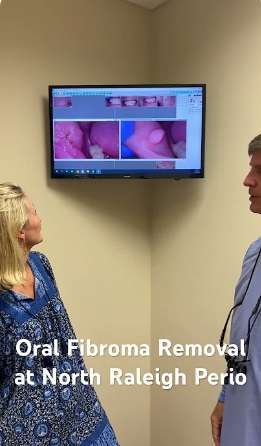
Oral fibromas are a common but often misunderstood condition that can affect individuals of all ages. These benign growths, also known as oral fibrous hyperplasias, typically occur in the mouth and are primarily composed of connective tissue. They may appear as painless, smooth lumps, varying in color from pink to whitish. One of the key factors often associated with the development of oral fibromas is trauma, which can result from chronic irritation or injury to the oral tissues. Understanding the causes, composition, and modern treatment options for oral fibromas is crucial for effective management and optimal oral health.
Causes and Characteristics of Oral Fibromas
Oral fibromas are often linked to traumatic incidents such as constant biting or friction from dental appliances. The body’s response to this ongoing irritation is to form a fibrous overgrowth, resulting in the development of these benign tumors. While they are generally painless, oral fibromas can become problematic if they interfere with daily activities like eating, speaking, or even wearing dentures.
Composition and Diagnosis
Oral fibromas are primarily composed of connective tissue, specifically fibrous tissue, which gives them their characteristic firmness. While they are typically harmless, any unusual growth or lump in the oral cavity should be evaluated by a dental professional. A thorough examination, often including a biopsy, may be necessary to confirm the diagnosis and rule out any more serious conditions. Early detection is essential for timely intervention and management.
Laser Removal: A Minimally Invasive Solution
At North Raleigh Perio, we pride ourselves on offering cutting-edge solutions for various dental concerns, including the removal of oral fibromas. Laser removal has emerged as a highly effective and minimally invasive technique for treating these growths. This advanced technology allows for precise removal of the fibroma, often without the need for sutures. Laser treatment offers numerous benefits, including reduced discomfort, faster recovery times, and minimal scarring.
Why Choose North Raleigh Perio
Our office at North Raleigh Perio is equipped with state-of-the-art equipment and staffed by experienced professionals who are dedicated to providing the highest quality of care. If you suspect you have an oral fibroma or have been diagnosed with one, don’t hesitate to reach out to us. Our team can assess your condition and discuss the most suitable treatment options, including laser removal, to ensure your comfort and well-being.
In conclusion, oral fibromas, commonly associated with trauma and composed of connective tissue, are manageable growths that can be treated effectively through laser removal at North Raleigh Perio. Early diagnosis and intervention are key to preventing any potential complications, and our team is here to provide you with expert care and the latest dental technologies to ensure your oral health and overall well-being.
Serving the greater Triangle area – Raleigh, Cary, Apex, and Wake Forest.
The Gum Guru Podcast with Dr. Macon Singletary will teach you everything you need to know to keep your teeth and gums healthy. Each podcast will focus on a different topic. Check back every third Thursday of the month for the latest episode. If you have any questions for Dr. Singletary, contact him at: [email protected]

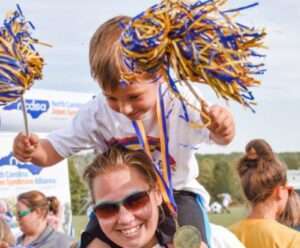 At North Raleigh Periodontics, we believe in the importance of inclusivity and supporting all members of our community. People with Down syndrome are a vibrant part of our society, and they deserve the same opportunities and respect as anyone else. By sponsoring the Triangle Buddy Walk, we aim to: