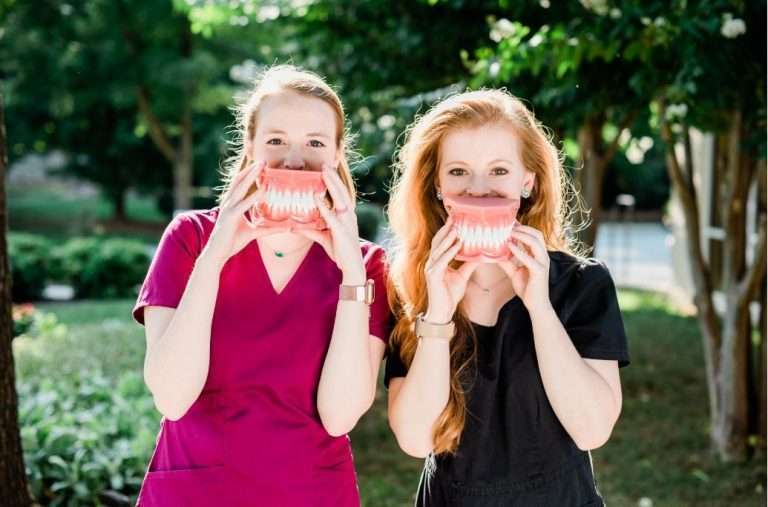
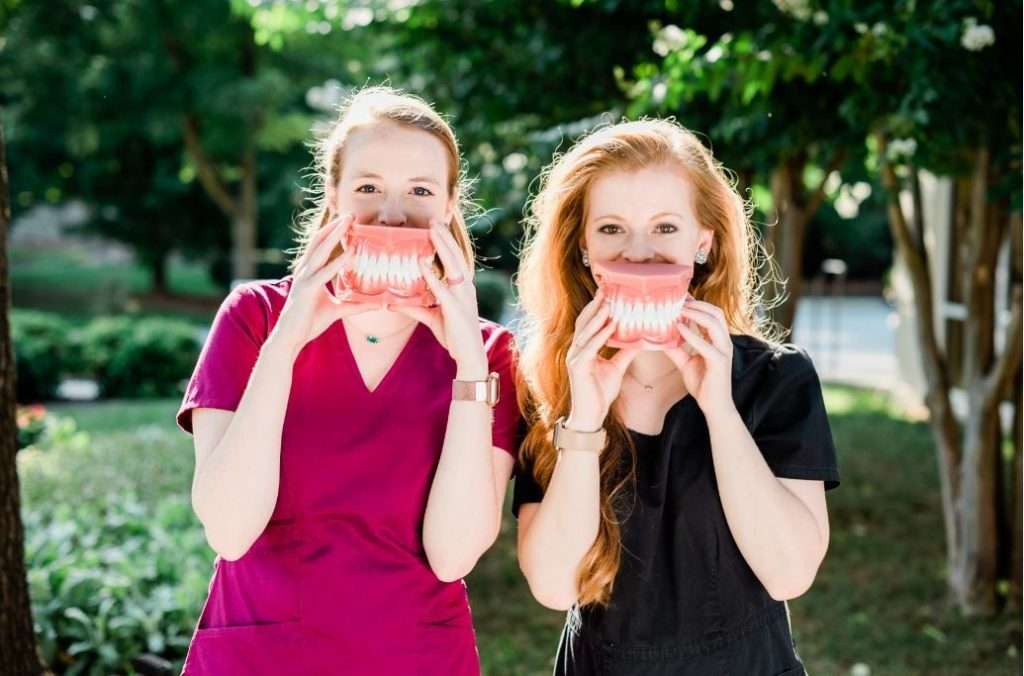
Stephanie grew up right here in Raleigh, North Carolina before heading off to Winston-Salem to attend high school at the University of North Carolina School of the Arts. At UNC School of the Arts, Stephanie studied ballet, dancing lead roles in ballet performances like the Nutcracker. Her favorite role to dance in the Nutcracker? “The Sugar Plum Fairy of course!”
Low glycemic food for a vegan health & fitness diet for diabetics with foods high in vitamins, minerals, anthocyanins, antioxidants, protein, smart carbs & omega 3 fatty acids. Below 55 on the GI index. Top view
Oxidative Stress in the Oral Tissue
When there are too many free radicals, or oxidants, in the body, the imbalance is called oxidative stress. In the oral cavity, oxidative stress is associated with infection or inflammation of the gums (gingivitis) and other soft tissues (periodontitis). Factors including alcohol consumption, exposure to nicotine, dental procedures, dental cements and composite fillings also lead to oxidative stress. And oxidative stress in the oral cavity can be a major contributor to systemic oxidative stress–which leads to chronic diseases, such as rheumatoid arthritis or vascular disease including heart attack or stroke.
If you’ve been told you have gum (periodontal) disease, you’re not alone. In fact, according to a recent finding from the Centers for Disease Control and Prevention, one out of every two Americans aged 30 and over has periodontal disease. If you are one of those susceptible to periodontal issues, do not despair. Dr. Singletary is here to help. In our office, one of the first things we ask our patients is, “Have you noticed bleeding, swelling, or bad taste?”
Here’s a more comprehensive checklist to evaluate your periodontal health:
• Do your gums bleed when you brush or floss?
• Are your gums red, swollen, puffy, or tender?
• Do your gums no longer hug your teeth tightly?
• Do you have bad breath that won’t seem to go away?
• Do your teeth feel loose?
• Is there a change in the way your teeth fit together when you bite?
• Is there a change in the way your partial dentures fit?
If any of these describe you, what should you do? The American Academy of Periodontology recommends that every patient receive an annual comprehensive periodontal evaluation. At that time, we assess your risk for gum disease and diagnose existing issues. We determine a treatment plan that gives solutions and options. Dr. Singletary works with people every day to help them save teeth and give them the best gum health possible. Our office is open five days a week to help patients improve their periodontal health.
Serving the greater Triangle area – Raleigh, Cary, Apex, and Wake Forest.
For more information on this topic, listen to the Gum Guru Podcast by clicking the link below:
Among other factors, a good mouthwash aids in optimal oral health. While your teeth make up only about 25% of the surfaces in your mouth, another 75% include gum tissue and cheek tissue, the roof of the mouth, the throat, and tongue. These surfaces are best cleaned with an antiseptic mouthwash. As we often say here at North Raleigh Periodontics, periodontal disease is caused by bacteria in the mouth. Antiseptic mouthwashes work to kill these bad bacteria, while promoting good bacteria.
Although many good mouthwash brands are available, Listerine is one of the only mouthwashes approved by the ADA (American Dental Association) and has stood the test of time by being on the market for over 100 years. Several varieties of Listerine are available, depending on the needs of patients.
Serving the greater Triangle area – Raleigh, Cary, Apex, and Wake Forest.
Today lasers are everywhere – from Star Wars Jedis to laser printers to laser tag. Our Biolase laser uses water and light to treat periodontal disease. Often referred to as gum disease, periodontal disease is an infection of the tissues that surround and support your teeth; it is a major cause of tooth and bone loss in adults. Nearly 70% of adults have gum disease, however because gum disease is usually painless, you may not be aware that you have it.
Periodontal disease is caused by plaque, the sticky film of bacteria (Biofilm) that is constantly forming on the teeth.
Some of the warning signs to look for:
Red, swollen gums that bleed easily
Consistent bad taste or bad breath
Shifting, loose, or separating teeth
Change in the way teeth fit together when you bite
At North Raleigh Periodontics, we recently implemented Air Flow Therapy into our repertoire of periodontal services provided to our patients at no additional charge. Air Flow Therapy is the natural solution to polishing the tooth surface both above and below the gums. Using a combination of water, air, and either glycine or erythritol powder (both naturally derived), the cell wall of the bacteria is destroyed, thus killing the bacteria cell. Whereas the older method of polishing teeth with prophy paste and a rubber cup simply removed bacteria from the crown of the tooth, Air Flow Therapy can remove the harmful bacteria that cause periodontal disease from both the crown of the tooth and the root surface.
This is especially good news for our patients with dental implants. Dental implants function like normal teeth as they are integrated into the bone. These implants are coated with titanium, and bone heals around that titanium implant surface. However, when the titanium is manipulated or scratched by hygiene instruments, it can harm the surface of the implant, releasing titanium oxide and potentially causing a foreign body reaction or peri-implantitis. Foreign body reactions include swelling, bleeding, and pain around the implant surface, which could potentiate the loss of an implant.
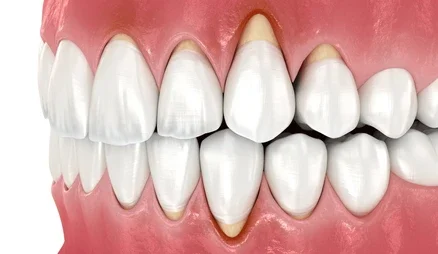
Gingival recession occurs when the gum line wears away or recedes from the teeth, leaving the tooth roots exposed. This exposure can lead to decay and tooth loss if left untreated, since bacteria can more easily accumulate in the “pockets” or increased space between the tooth and the gums. The exposed roots also make eating uncomfortable and even painful by increasing sensitivity to hot, cold, and acidic foods. But what causes recession and how can it be treated?
It may come as a surprise to learn that recession commonly occurs as a result of such trauma as aggressive tooth brushing. Gum loss occurs because individuals think they are keeping their teeth and gums squeaky clean, when in reality they are wearing down their gum tissue through aggressive and traumatic cleaning habits. Individuals can avoid this type of recession by brushing with a soft-bristle brush and avoiding forceful brushing habits.
Serving the greater Triangle area – Raleigh, Cary, Apex, and Wake Forest.
Fluoride treatment is just for kids, right? Wrong! Many of our patients battle increased oral sensitivity, receding gums and weakening enamel. Because of this progressive deterioration, it is easier for the acid produced by plaque to wear away the tooth surface and cause dental caries, more commonly known as cavities. Cavities can be effectively diminished or eradicated by fluoride, a natural mineral that prevents cavities by restoring minerals to the tooth enamel and stopping harmful bacteria from accumulating from the mouth. Unfortunately, most adults are not receiving fluoride in levels adequate enough to stave off caries prevention in the long-term.
Serving the greater Triangle area – Raleigh, Cary, Apex, and Wake Forest.
Put simply, an implant is a post inserted into the jawbone onto which a crown can be placed to replace a missing tooth. But some may not know that not everyone is a viable candidate for a dental implant. There are, in fact, a number of criteria that must be met for an individual to be considered an excellent implant patient. Some factors that comprise a promising candidate include the ability to heal well, no smoking, and good volume of bone. Finally, the long-term prognosis of an implant depends upon a plethora of factors, including the ability of the patient to maintain the implant site and the patient’s susceptibility to gum disease and trauma from occlusion.
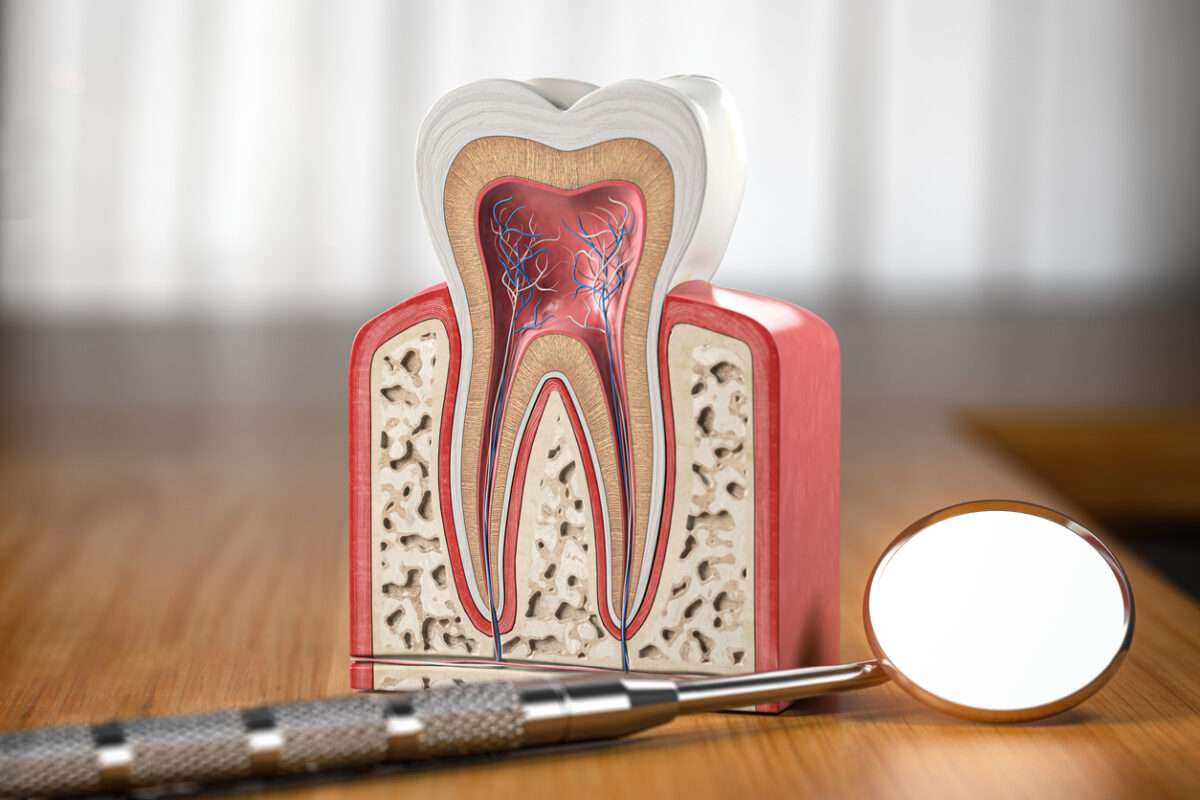
Tooth model cross section with dental mirror tool on wooden table. Close up. Dental treatment and hygiene concept. 3d illustration
Serving the greater Triangle area – Raleigh, Cary, Apex, and Wake Forest.
When people hear the phrase “periodontal disease,” they envision a vague, sinister monster of an ailment that is next to impossible to treat. However, treatment of periodontal disease is simple. In fact, I subscribe to the K.I.S. principle when treating periodontal disease: Keep It Simple. Gum disease stems from the simple failure to periodically remove plaque from the mouth. Conversely, gum disease is treated by ridding the mouth of plaque. But if it is so simple, how does one go about effectively eradicating disease-causing bacteria?
 Stephanie grew up right here in Raleigh, North Carolina before heading off to Winston-Salem to attend high school at the University of North Carolina School of the Arts. At UNC School of the Arts, Stephanie studied ballet, dancing lead roles in ballet performances like the Nutcracker. Her favorite role to dance in the Nutcracker? “The Sugar Plum Fairy of course!”



 If you’ve been told you have gum (periodontal) disease, you’re not alone. In fact, according to a recent finding from the Centers for Disease Control and Prevention, one out of every two Americans aged 30 and over has periodontal disease. If you are one of those susceptible to periodontal issues, do not despair. Dr. Singletary is here to help. In our office, one of the first things we ask our patients is, “Have you noticed bleeding, swelling, or bad taste?”