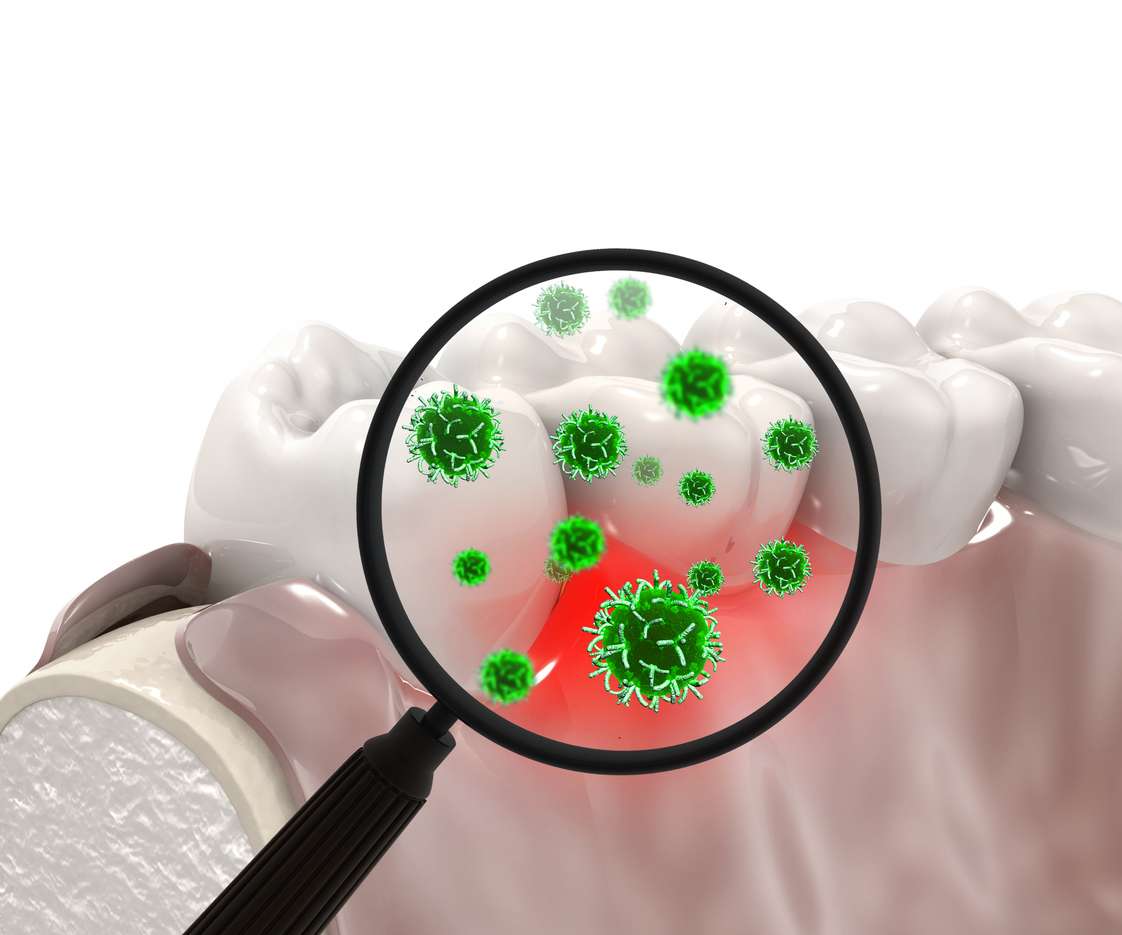
Oral health is often seen as separate from overall health, but recent scientific discoveries are revealing just how interconnected the two really are. Gum disease, a condition that affects the tissues surrounding the teeth, is not only a leading cause of tooth loss but has also been linked to systemic health issues. At the heart of this condition are the microorganisms living in our mouths. While most people are aware of the basics of tooth decay, many don’t realize that gum disease is primarily caused by bacteria — and not all bacteria are created equal.
What Causes Gum Disease?
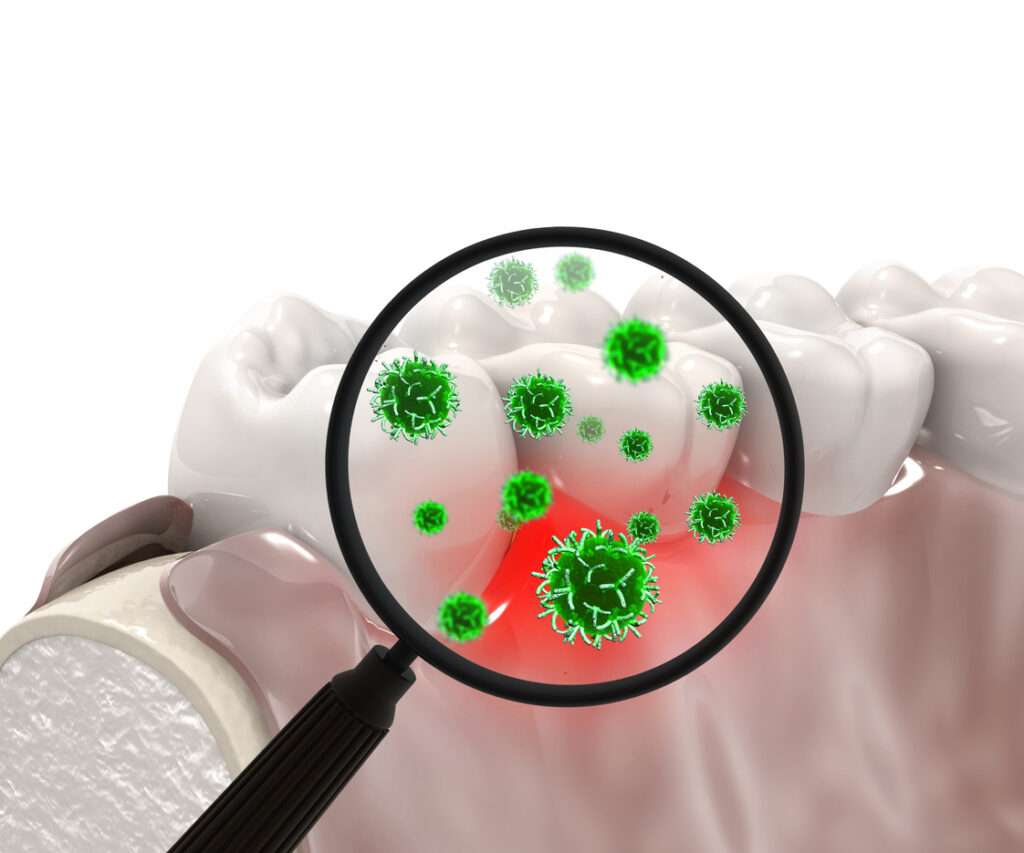
The primary culprit behind gum disease is bacteria. In a healthy mouth, a balance exists between the bacteria that naturally reside in your mouth and your body’s defenses. However, when harmful bacteria outnumber beneficial bacteria, it triggers inflammation in the gums, leading to conditions such as gingivitis and, eventually, periodontitis if left untreated. The bacterial imbalance is often invisible, and the effects can be subtle at first, which is why gum disease is sometimes referred to as a “silent” disease.
To understand this further, we need to look back to 1623 when Antoine van Leeuwenhoek became the first person to observe and document microscopic life, which he referred to as “animalcules.” By scraping plaque from his teeth and examining it under his microscope, Leeuwenhoek discovered the existence of bacteria and made the groundbreaking realization that these microorganisms were living organisms capable of affecting human health. This early discovery was the beginning of our understanding of how bacteria in the mouth could contribute to disease.
The Good, The Bad, and The Ugly: Bacteria Under Your Gums
Not all bacteria are harmful. In fact, the human mouth contains a mix of both beneficial and harmful bacteria, collectively known as the oral microbiome. Beneficial bacteria help to break down food particles and maintain a healthy balance. However, when harmful, oxygen-hating bacteria (anaerobic bacteria) begin to dominate the mouth, they form biofilms — sticky layers that protect them from your immune system and make them more difficult to remove. Over time, these bacteria trigger the inflammatory response in the gums, leading to bleeding, swelling, and even infection.
The progression of gum disease is not just about the local impact on your gums and teeth. Studies have shown that bacteria from the mouth can enter the bloodstream and affect other parts of the body. One particularly concerning bacterium is Treponema denticola, a pathogen found in plaque that has been linked to conditions such as heart disease and dementia. As these bacteria spread throughout the body, they can exacerbate inflammation, affecting the brain, heart, and other organs.
Preventing Gum Disease: The Role of Oral Hygiene
So, how do you prevent gum disease? The key lies in disrupting the bacterial biofilm before it has a chance to grow too large and trigger inflammation. Proper brushing and flossing can remove plaque and prevent harmful bacteria from proliferating. The American Dental Association recommends brushing your teeth twice a day and flossing at least once a day to maintain oral health. However, for those at higher risk of gum disease, simply brushing twice a day may not be enough. For such individuals, more frequent cleanings, regular check-ups, and possibly more specialized treatments are necessary.
It’s also important to note that good oral health goes beyond just the mechanical removal of plaque. The overall health of your body plays a role in how your immune system responds to bacteria. Conditions such as diabetes, smoking, and poor diet can make it harder for your body to fight off infections, including those in the gums. A holistic approach to both oral care and general health is vital for reducing the risk of gum disease.
The Link Between Gum Disease and Overall Health
Perhaps the most compelling reason to take gum disease seriously is its connection to systemic health. Research has shown that untreated gum disease can contribute to serious conditions like:
- – heart disease
- – diabetes
- – respiratory infections
- – even certain types of cancer
The inflammation caused by harmful oral bacteria can spread through the bloodstream, affecting organs and increasing the risk of systemic diseases. In fact, recent studies have even found a correlation between gum disease and a higher risk of developing Alzheimer’s disease, further underscoring the importance of oral health.
Microscopic Analysis for Better Detection: A Cutting-Edge Approach at North Raleigh Periodontics
At North Raleigh Periodontics and Implant Center, we go beyond traditional oral exams by offering complimentary microscopic analyses to determine the presence of specific pathogens that can lead to periodontal disease and contribute to overall health conditions. By examining the motility and shapes of specimens from patient samples, we can accurately identify harmful bacteria lurking in the mouth. This precise analysis helps us determine whether particular pathogens are present, allowing us to better understand the individual risks a patient faces and customize treatments accordingly.
Conclusion: The Silent Threat Beneath the Surface
Gum disease may not always cause pain or discomfort in its early stages, but its consequences are far-reaching. By understanding the science behind gum disease and its role in overall health, we can take proactive steps to protect ourselves. Regular oral hygiene, professional cleanings, and a comprehensive approach to health can help prevent gum disease from advancing to more severe stages. Remember, gum disease is more than just an oral problem — it’s a whole-body issue that requires attention and care.
For more information, email us at [email protected]. Your smile deserves specialized care – let us help you achieve and maintain optimal gum health. Serving the greater Triangle area – Raleigh, Cary, Apex, Clayton, Rolesville, and Wake Forest.

For more information on this topic, listen to the Gum Guru Podcast by clicking the link below: